
Reversing gum recession naturally at home means removing plaque, calming inflammation, improving brushing habits, and supporting the gum tissue surrounding each tooth root. Mild gingivitis can often be reversed with daily care and professional cleanings, but advanced periodontitis and major tissue loss usually do not fully grow back without professional treatment.
That does not mean home care is pointless. Home care is where most gum improvement starts. Good brushing, daily interdental cleaning, nutrient-rich foods, and a few effective home remedies can improve gum health, reduce tooth sensitivity, and help stop gum recession from getting worse.
This guide will walk you through practical, science-backed steps, natural remedies, and daily habits that can help strengthen and protect your gums — while introducing a natural solution designed specifically for gum health: Nature’s Smile.
Table of Contents
Causes of Gum Recession
Gum recession happens when the gums pull away from the teeth and expose more of the tooth root. That exposed area can lead to tooth sensitivity, a higher risk of root decay, and a less even healthy gum line. The American Academy of Periodontology. lists red or swollen gums, bleeding gums, sensitive teeth, loose teeth, and receding gums or longer-appearing teeth among common warning signs of gum disease.
There are 7 common causes of gum recession:
- Aggressive brushing: A hard grip, a stiff brush, or forceful scrubbing can injure the gumline. The American Dental Association (ADA) recommends a soft-bristled toothbrush and gentle pressure to reduce the risk of gingival injury.
- Plaque and tartar: Plaque is a film of bacteria. When plaque is not removed, it can harden into tartar or calculus. NIDCR notes that calculus cannot be removed by brushing and flossing and must be removed with dental cleaning instruments.
- Gingivitis and periodontitis: Gingivitis is the early, reversible stage. Periodontitis is the more destructive stage that damages the tissues and bone supporting the teeth.
- Smoking and tobacco: Tobacco use is one of the most significant risk factors in the development and progression of periodontal disease, according to the American Academy of Periodontology (AAP).
- Hormones: Pregnancy and menopause can affect gums. AAP and CDC resources note that hormonal changes during pregnancy can make gums more susceptible to inflammation and gingivitis.
- Genetics: Some people have thinner gum tissue or a higher tendency toward periodontal breakdown. The AAP lists genetics among established risk factors.
- Grinding, clenching, and orthodontic pressure: Bruxism management strategies matter because excessive force on teeth can stress supporting tissues. Poorly managed bite pressure can add to recession in vulnerable areas. This is one reason dentists may recommend a night guard or orthodontic review.
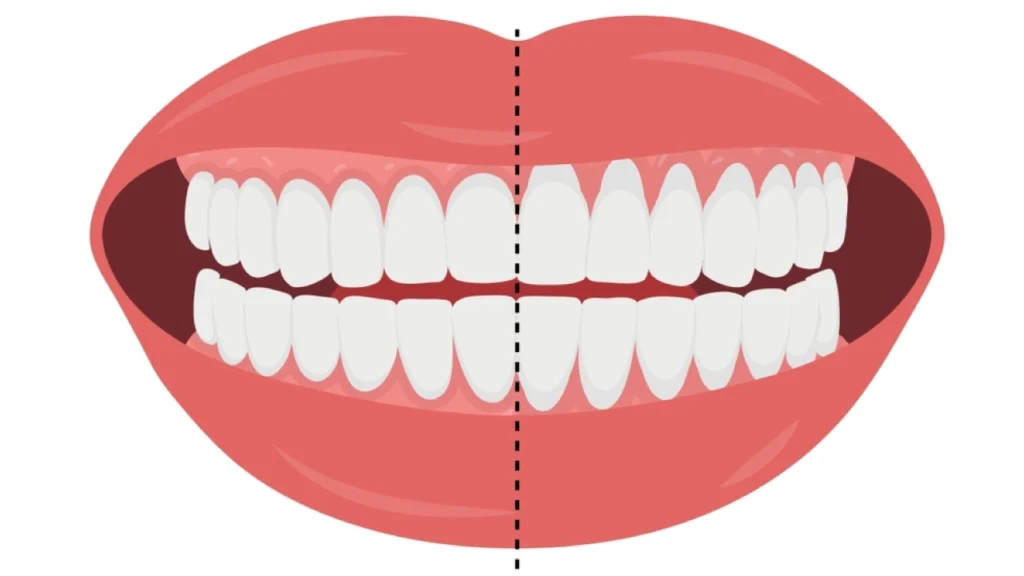
Natural Ways to Support Gum Health
To support gum health naturally at home, focus on 5 basics first.
1. Use a soft-bristled toothbrush
Use a soft-bristled toothbrush and brush with gentle circular motions. This non-abrasive brushing style protects the gumline better than hard scrubbing. The ADA supports soft bristles and gentle pressure.
2. Clean between teeth daily
Flossing or other interdental cleaning reduces plaque where a toothbrush cannot reach. The AAP recommends flossing at least once a day.
3. Reduce bacteria
A mouthwash can help reduce plaque as a supplement to brushing and flossing. An antimicrobial mouthwash may be useful in some routines, but it is still secondary to brushing, flossing, and professional evaluation when symptoms persist.
4. Support saliva and an alkaline mouth environment
Dry mouth increases plaque risk. Better hydration, lower soda intake, and less frequent sugary snacking can support saliva pH balancing and help reduce bacterial buildup. ADA guidance notes that dry mouth is a common oral health issue.
5. Get regular dental cleanings
Home care cannot remove tartar. Dental cleanings are part of improving your gum health. Educational content from practices such as Keystone Periodontal Group and clinicians such as Dr. Amanda Clemente reflects the same core message seen in mainstream periodontal care: early exams, regular cleanings, and targeted treatment reduce long-term damage.
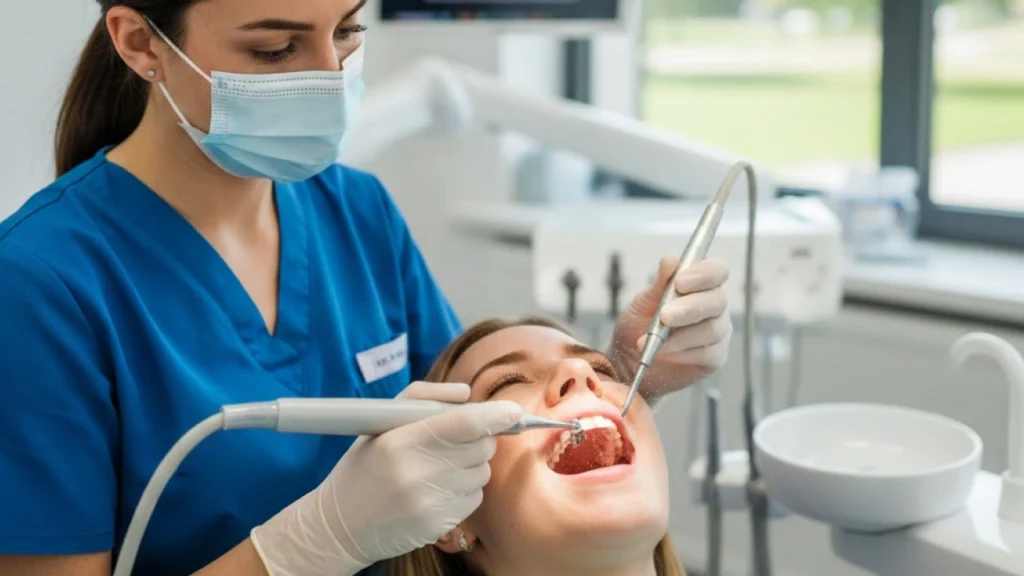
Natural Remedies to Reverse Gum Recession
Natural remedies to reverse daily gum irritation work best as adjuncts, not replacements for brushing, flossing, and dental checkups.
Green tea mouthwash
Green tea mouthwash is one of the better-studied options. Small clinical studies have found that green tea mouthwash can reduce plaque and gingival inflammation, likely because of its anti-inflammatory properties and catechin content.
Oil pulling with coconut oil
Oil pulling is an ancient Ayurvedic practice. Studies and reviews suggest that coconut oil oil pulling may reduce plaque and gingival scores when used alongside normal oral hygiene. It is not a replacement for brushing or flossing.
Aloe vera gel massage
An aloe vera gel massage along the gumline may soothe inflamed tissue. Clinical studies have reported reduced plaque-induced gingivitis with aloe vera mouthwash or topical oral use. Use a product intended for oral application, and stop if irritation occurs.
Warm salt-water rinse
A warm salt-water rinse may help comfort irritated gums and support simple cleansing. It does not rebuild lost tissue, but many people use it as one of the more effective home remedies for short-term comfort.
Gentle gumline stimulation
A short, light fingertip massage around the gumline can improve awareness of tender spots and encourage better daily care. Keep the pressure light. Gentle gumline stimulation should never replace plaque control.
Maintaining Oral Hygiene
Maintaining oral hygiene is the most reliable home gum recession treatment. To keep your smile healthy:
- Brush twice a day and clean between your teeth every day.
- Replace a worn brush. If the bristles splay quickly, your brushing force is too high.
- Keep the brush angle gentle around the gumline.
Both the ADA home oral care guidance and the American Dental Association: Home. oral hygiene guidance support these basics as the foundation of gum health.

There are 4 oral hygiene habits that matter most:
- Brush twice daily with a soft-bristled toothbrush.
- Floss daily to remove plaque between teeth and below contact points.
- Use mouthwash carefully as a supplement, not a substitute.
- Schedule dental cleanings so tartar does not stay in place long enough to drive periodontitis.
Diet and Lifestyle Habits That Protect Your Gums
Diet and Lifestyle choices affect gums every day.
Smoking and tobacco worsen periodontal outcomes. Pregnancy and menopause can increase gum sensitivity. High-sugar diets feed bacteria. Chronic stress may worsen clenching and bruxism. These are common drivers of inflammation and recession risk.
There are 6 simple lifestyle changes that protect gums:
- Stop smoking or vaping tobacco products.
- Reduce soda and frequent sugary snacks.
- Address clenching with bruxism management strategies such as a dentist-made night guard.
- Improve sleep and stress control.
- Stay hydrated to support saliva flow.
- Maintain better home care during pregnancy, if hormones are increasing gum bleeding or swelling.
Dietary Changes to Help Reverse Gum Recession
Dietary changes do not regrow advanced lost tissue, but they can help restore healthy gums by supporting immune function, collagen maintenance, and lower inflammation.
Focus on 4 nutrient groups:
- Vitamin C: Vitamin C supports collagen formation and tissue repair. Good sources include citrus fruits, strawberries, and bell peppers.
- Vitamin K: Vitamin K is found in leafy greens and supports normal clotting and tissue health.
- Calcium: Calcium supports the bone around teeth. Good sources include milk, yogurt, and leafy greens.
- Crunchy produce: Apples, celery, and carrots can support saliva flow and reduce food debris during meals.
A nutrient-rich foods pattern with vegetables, fruit, protein, and dairy or alternatives is better for gum health than a pattern built around sticky sweets and soda. Acidic drinks can erode enamel, and constant sugar intake helps bacteria thrive.
Professional Treatments for Advanced Gum Recession
Professional treatments are needed when recession is advanced, symptoms persist, or periodontitis is present.
A periodontist is a dentist who specializes in the prevention, diagnosis, and treatment of periodontal disease.
Common professional options include:
- Deep cleaning such as scaling and root planing
- Local antibiotics in selected cases
- Occlusal or bite adjustments
- Gum grafting
- Other periodontal surgery when tooth roots are exposed or support is compromised

This is the key distinction: home remedies can improve comfort and reduce mild inflammation, but they cannot remove tartar below the gumline or rebuild advanced attachment loss.
Professional Advice and Regular Dental Checkups
Professional advice and regular dental checkups help catch recession early. The AAP notes that symptoms of gum disease are often silent until later stages, and the CDC states that gingivitis is preventable and reversible with good oral hygiene and professional treatment.
According to the National Institute of Dental and Craniofacial Research (NIDCR), routine exams matter for 3 key reasons:
- Measurement: A dentist can measure recession and pocket depth accurately.
- Deep Cleaning: A hygienist can remove tartar (calculus) that home care cannot remove.
- Diagnosis: A clinician can tell the difference between simple gingivitis and more serious periodontitis.
Tips to Help Prevent Future Gum Recession
- Use a soft-bristled toothbrush and gentle circular motions.
- Floss at least once a day.
- Limit smoking, tobacco, and frequent soda use.
- Treat grinding, if you clench at night.
- Book dental checkups and dental cleanings on schedule.
- Respond fast to bleeding gums, swelling, or tooth sensitivity.
How Nature’s Smile Supports Reversing Gum Recession Naturally at Home?
Unlike regular mouthwash that only freshens breath temporarily, this herbal liquid formula is applied directly to the gumline.
Its blend of plant-based extracts is formulated to:
- Help reduce harmful oral bacteria
- Soothe inflamed gum tissue
- Support natural gum strengthening
- Improve overall oral balance
Nature’s Smile is typically positioned as a herbal gum balm rather than a quick rinse. That matters for people who want targeted herbal infusions around the gumline. Discover the details how Nature’s Smile is made
In a home routine, the product can be framed around 4 practical goals:
- Supporting daily care for irritated gums
- Pairing with non-abrasive brushing style and flossing
- Complementing microbiome balancing therapy through better plaque control habits
- Giving users a structured, consistent routine that encourages better oral health behavior
Because it’s applied topically, it directly targets problem areas rather than just rinsing over them.
It’s best used alongside:
- Proper brushing
- Daily flossing
- Professional dental checkups
Think of it as reinforcement for your daily routine.
FAQs
Is gum recession harmful if left untreated?
Yes. Gum recession can expose the tooth root, increase tooth sensitivity, raise the risk of root decay, and signal periodontal disease. Untreated periodontitis can destroy the bone and tissues supporting teeth.
Are home remedies safe for receding gums?
Yes, some home remedies are generally safe as adjuncts. Green tea mouthwash, oil pulling, and aloe vera have small studies behind them, but they should support—not replace—brushing, flossing, and professional care. Stop any remedy that causes irritation.
How can I lower my risk of gum recession?
Use gentle brushing, floss daily, avoid tobacco, control plaque, and keep up with dental checkups. Those steps directly address the most common causes of gum recession.
How can I tell if I have gingivitis or periodontitis?
Gingivitis usually shows red, swollen, or bleeding gums, and it is often reversible. Periodontitis is more advanced and can involve pockets, recession, loose teeth, and bone loss. A dentist or periodontist must confirm the diagnosis.
Are there any dental treatments that can help with severe gum recession?
Yes. Deep cleaning, localized antibiotics in selected cases, gum grafting, and periodontal surgery can help protect exposed roots and manage advanced recession.
Can orthodontic treatments like braces contribute to gum recession?
Yes, they can in some cases, if tooth movement, thin gum tissue, or hygiene problems add stress to the gums. Orthodontic treatment should be monitored carefully, especially in patients who already have recession risk.
How often should I visit the dentist to prevent or manage gum recession?
Visit at least as often as your dentist recommends, and more often if you have periodontal risk factors. Many people are seen every 6 months, while patients with recession, tartar buildup, or gum disease may need more frequent visits for monitoring and dental cleanings.
Final Thoughts
Gum recession doesn’t happen overnight — and it won’t reverse overnight either. But with consistent care, the right habits, and targeted herbal support, you can strengthen your gums and potentially slow or reverse early-stage damage.
If you’re serious about improving your gum health naturally, consider adding a dedicated gum-support formula like Nature’s Smile to your daily routine.
👉 Don’t wait until your gums recede further.
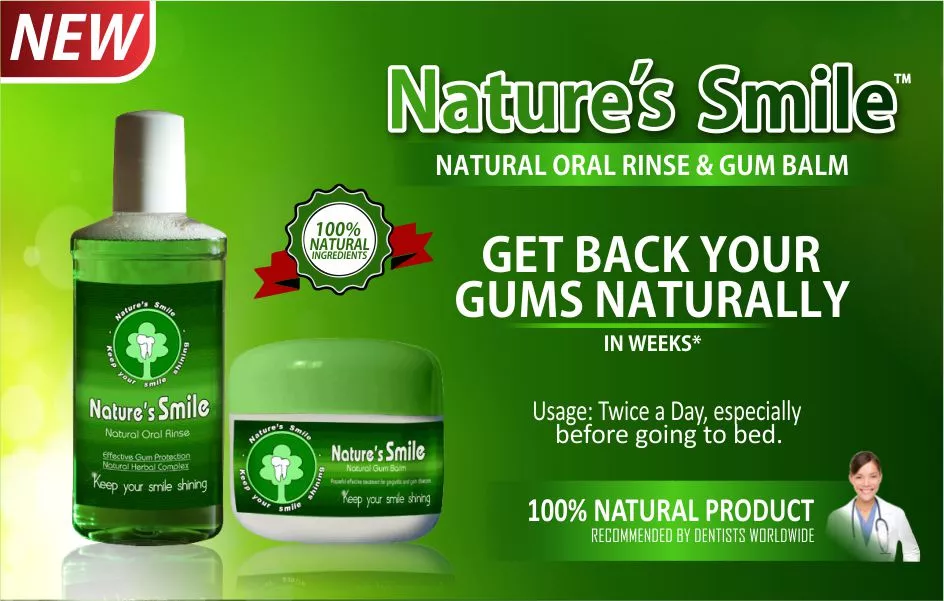
🛒 Get Nature’s Smile Today and start restoring stronger, healthier gums naturally.