You felt it. That slight movement when you pressed your tongue against your teeth. That subtle shift when chewing something firm. Maybe your gums look puffier than usual. Maybe they bleed sometimes. Maybe they just don’t feel as tight as they used to.
Here’s what most people think when this happens:
“My teeth are falling out.”
Slow down.
Loose gums don’t automatically mean you’re headed for dentures. In many cases, gum looseness is inflammation. And inflammation can be reversed.
This guide will show you natural ways to tighten loose gums — not with gimmicks, not with harsh chemicals, but by understanding what’s actually happening in your mouth and fixing it properly.
Table of Contents
Why Gums Feel Loose in the First Place?
Gums don’t just “loosen” randomly. They loosen because something weakens the connective tissue that anchors them to your teeth.
That “something” is usually one of these:
- Chronic plaque buildup
- Early gum inflammation (gingivitis)
- Aggressive brushing
- Smoking
- Nutritional deficiency
- Poor circulation
According to the American Dental Association, plaque accumulation is the primary cause of gum inflammation and periodontal disease progression.
When gums become inflamed, they swell. When they swell, they detach slightly from the tooth surface. That detachment creates pockets. Pockets create more bacteria. And the cycle continues.

But here’s the key:
Inflammation makes gums feel loose. Reduce the inflammation, and they begin to firm up again.
First Rule: Stop Aggravating the Tissue
You can’t tighten something you’re still damaging.
Start here:
Switch to a Soft Brush
Medium and hard brushes are unnecessary for natural teeth. They scrape tissue. Soft bristles clean plaque just as effectively — without trauma.
Hold the Brush Like a Pen
Not like a hammer. That simple change cuts pressure dramatically.
Gentle Circles, Not Scrubbing
Think “massage,” not “scrub.” If your brush looks frayed after a month, you’re brushing too hard.
For proper brushing technique guidance, refer to the Centers for Disease Control and Prevention oral health recommendations.
Salt Water: Simple, But Effective
There’s a reason salt rinses have been used for generations.
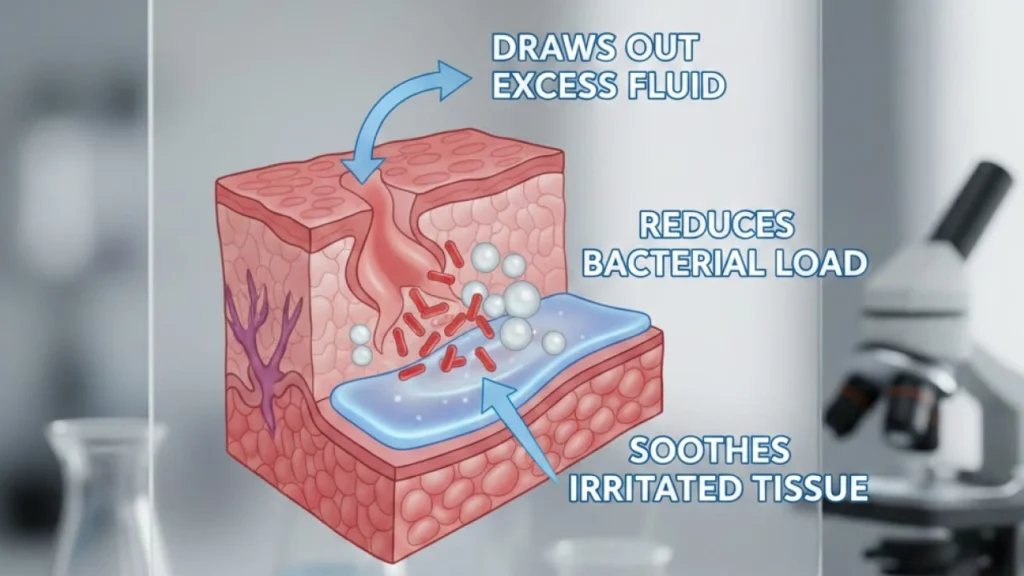
Salt:
- Draws out excess fluid
- Reduces bacterial load
- Soothes irritated tissue
Use:
½ teaspoon salt
1 cup warm water
Rinse 30 seconds
Twice daily
Within a week, most people notice less puffiness. Less puffiness = tighter feel.
The Circulation Factor (Most People Ignore This)
Loose gums often suffer from poor blood flow. And tissue without strong blood flow doesn’t stay firm. Improve circulation naturally:
- Gently massage gums with clean fingertip
- Use small circular motions
- One minute per day
You’re stimulating oxygen and nutrients to reach weakened areas. That matters.
Vitamin C: The Collagen Connection
Your gums rely on collagen for structure. Collagen production requires vitamin C.
Low vitamin C = weaker gum tissue.
Eat more:
- Citrus fruits
- Bell peppers
- Kiwi
- Strawberries
When collagen production improves, gum tissue becomes more resilient and tight.
The National Institute of Dental and Craniofacial Research highlights nutrition as a key factor in maintaining periodontal health.
Oil Pulling for Bacterial Reduction
Coconut oil pulling helps reduce harmful bacteria that weaken gum attachment.
1 tablespoon
Swish 10–15 minutes
Spit out
Brush normally
It’s not magic. It’s microbial control.
Less bacteria = less inflammation = firmer gums.

The Astringent Secret to Gum Tightening
Here’s something most people don’t know. Certain natural ingredients are called astringents. Astringents tighten and tone soft tissue. Think of how witch hazel tightens skin. The same principle applies inside your mouth.
One of the most powerful natural astringents for gums? Oak bark extract. It has been used traditionally to:
- Reduce bleeding
- Tighten soft tissue
- Strengthen gum attachment
- Decrease inflammation
And this is where targeted herbal support becomes important.
How Nature’s Smile Helps Tighten Loose Gums?
Nature’s Smile isn’t like a mouthwash. Mouthwash is mostly water. It hits your gums for 30 seconds and disappears.
Nature’s Smile is different. It’s a concentrated gum formula designed to:
- Adhere to the gumline
- Deliver active plant compounds directly to tissue
- Support natural tightening through astringent herbs
Let’s break down what matters.
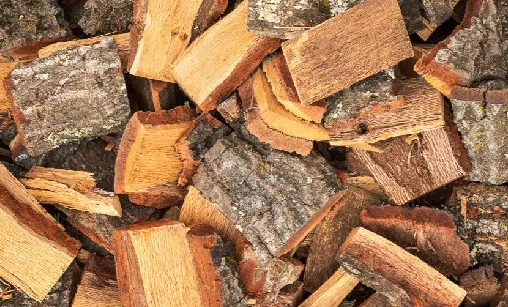
Oak Bark: A powerful natural astringent that helps tone and firm gum tissue. When inflammation decreases and tissue contracts slightly, gums feel tighter.
Silver Fir: Supports circulation to damaged tissue. Better circulation means better healing.

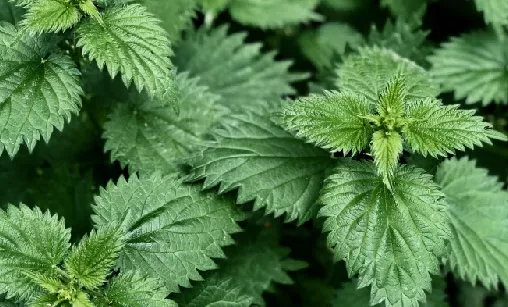
Nettle: Rich in minerals. Supports collagen and reduces bleeding.
Myrrh: Traditionally used for wound healing. Supports soft tissue repair.
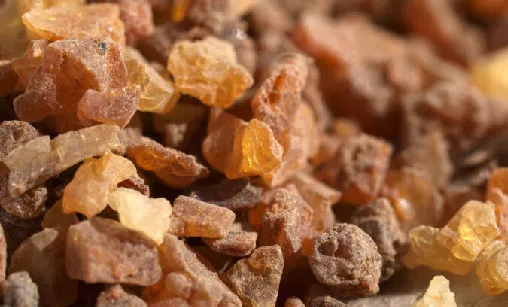
These ingredients work together to create an environment where gum tissue can stabilize instead of deteriorate.
The Correct Way to Use It (Most People Do This Wrong)
If you want real tightening support, application matters. Here’s the proper protocol:
Morning
Brush gently.
Apply a small amount directly to loose areas.
Massage lightly for 30–60 seconds.
Do not rinse immediately.
Let it sit.
Night
Repeat before bed.
Apply slightly more.
Sleep with it on.
Overnight is when your body performs most tissue repair. Consistency for 4–8 weeks produces noticeable changes.
What Tightening Actually Feels Like
Let’s set realistic expectations. You may notice:
- Less bleeding within 1–2 weeks
- Reduced puffiness
- Gums appearing firmer and less swollen
- Decreased tooth sensitivity
- Less “movement” sensation
What won’t happen?
- Instant regrowth of lost gum tissue
- Bone regeneration at home
This is about stabilization and strengthening — not miracles.
When Loose Gums Need Professional Help
Natural methods are powerful early on. But seek evaluation if you notice:
- Visible tooth movement
- Deep gum pockets
- Pus
- Severe recession
- Pain when chewing
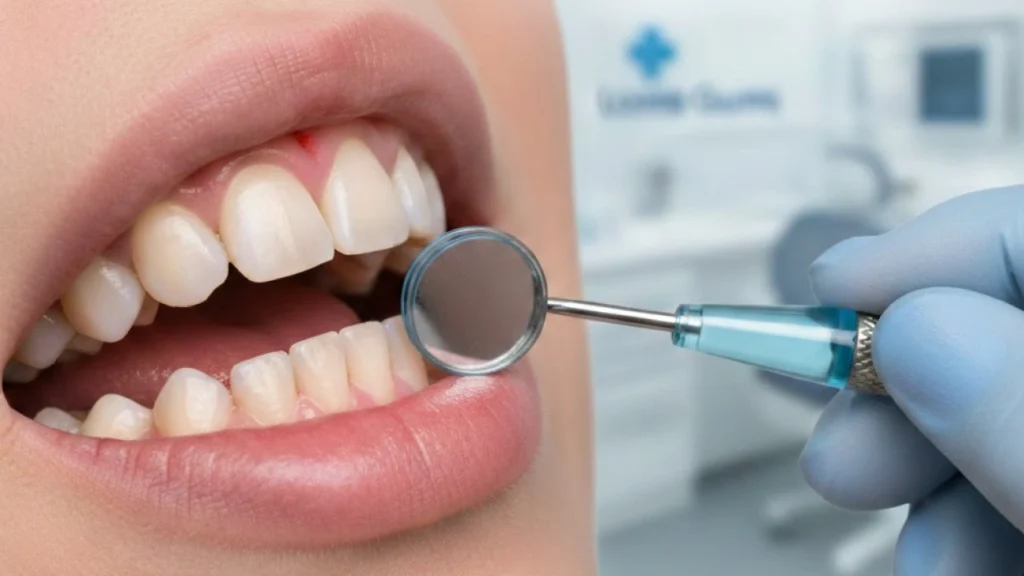
In advanced periodontal disease, professional intervention is necessary. Natural support still helps — but it becomes complementary, not primary.
The Real Strategy for Tightening Loose Gums
It’s not one trick. It’s a system:
- Reduce bacterial load
- Eliminate mechanical trauma
- Improve circulation
- Support collagen production
- Apply targeted astringent herbal support
When these align, tissue firms up.
When inflammation drops, looseness decreases.
When you act early, progression stops.
What Happens If You Ignore Loose Gums?
They don’t “toughen up.” They continue detaching.
More detachment = deeper pockets.
Deeper pockets = more bacteria.
More bacteria = bone involvement.
This is the stage where teeth truly become loose.
Long-Term Maintenance Plan
Once gums tighten and stabilize:
- Continue gentle brushing
- Keep daily flossing
- Use herbal gum support once daily for maintenance
- Stay hydrated
- Reduce sugar intake

Prevention is easier than reversal.
Reclaim Control Before It Gets Worse
Loose gums are a warning sign. Not a life sentence. If you change your habits and support your tissue properly, your gums can become firmer, healthier, and more stable.
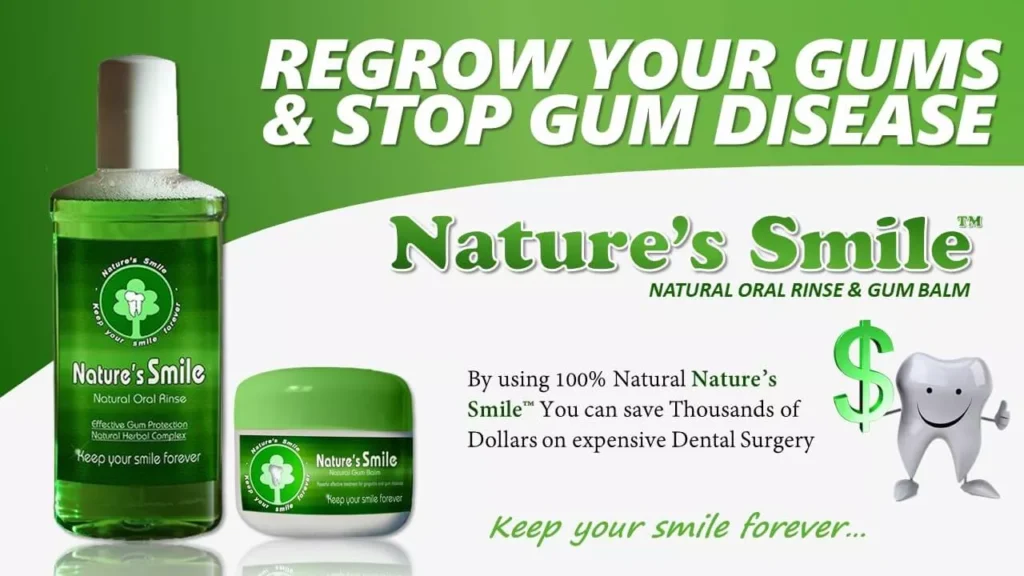
If you want targeted herbal support designed specifically to tighten and strengthen gum tissue, look into Nature’s Smile.
It delivers oak bark and other plant-based astringents directly where your gums need reinforcement.
Don’t wait until looseness turns into mobility.
Take control now.
🌱 Healthier, Tighter Gums Are Just One Click Away—Get Nature’s Smile Now from the Official Website!