Many people believe that pain is the body’s alarm system. If something is wrong, it should hurt—right?
When it comes to dental health, especially gum disease, that belief can be dangerously misleading.
The truth is that many oral health problems develop quietly, often without pain in the early stages. By the time discomfort appears, the issue may already be advanced.
This is why the phrase “If it doesn’t hurt, it’s not serious” is one of the most damaging myths in oral health.
In this guide, we’ll explore why gum problems often go unnoticed, the hidden signs you should watch for, and how to protect your gums before serious damage occurs. ADA
Table of Contents
Why Pain Isn’t Always a Reliable Warning Sign?
Pain typically occurs when nerves become irritated or inflamed. However, gum disease often begins on the surface tissues, where nerve endings are less sensitive.
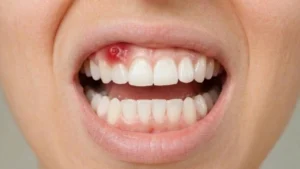
In the early stages, bacteria accumulate along the gumline and trigger inflammation. This stage is called gingivitis, and it may not cause any pain at all.
Instead, the signs are subtle:
- Mild redness around the gums
- Slight swelling
- Bleeding during brushing or flossing
- Bad breath that doesn’t go away
Because these symptoms may seem minor, many people ignore them. Unfortunately, ignoring early signs allows bacteria to spread deeper beneath the gums.

The Silent Nature of Gum Disease
One of the biggest reasons gum disease is so common is that it progresses silently.
Early gum disease may develop over months or even years without noticeable discomfort.
During this time, bacteria continue to multiply, forming plaque and eventually hardening into tartar. Once tartar builds up beneath the gumline, it becomes much harder to remove without professional cleaning.
This process slowly damages the tissues that hold teeth in place. CDC
By the time pain appears, the infection may have already progressed into periodontitis, a more serious form of gum disease.
Early Signs That Should Never Be Ignored
Even without pain, your mouth often gives subtle warnings that something is wrong.
Pay attention to these early symptoms:
Bleeding Gums
Healthy gums rarely bleed during brushing or flossing. If you notice blood in the sink, it may indicate inflammation.
Persistent Bad Breath
Chronic bad breath can be a sign that bacteria are building up along the gumline.
Swollen or Tender Gums
Inflamed gums may look puffy or darker than normal. NIDCR
Gum Recession
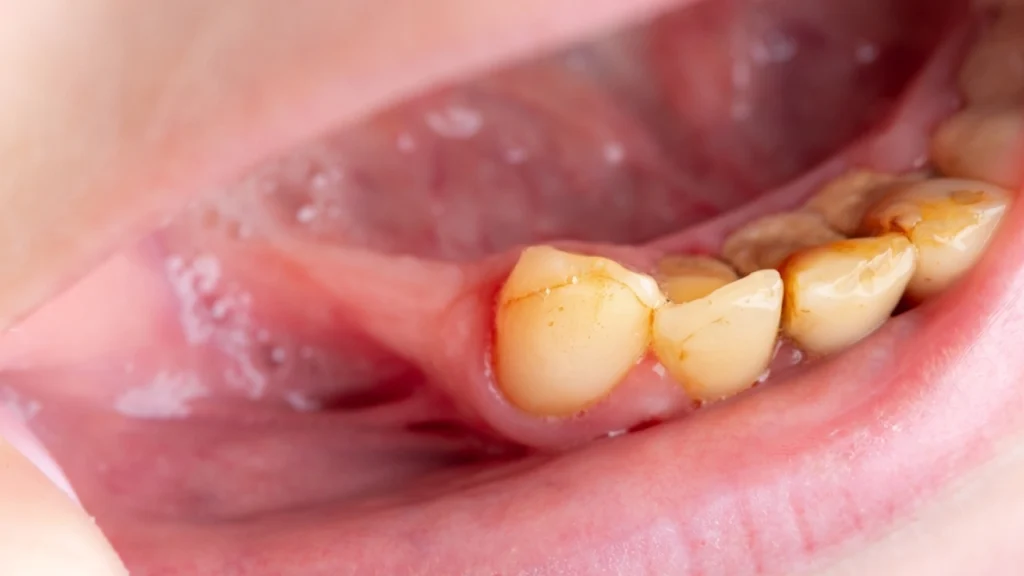
If your teeth appear longer than they used to, your gums may be pulling back.

Sensitive Teeth
Exposed tooth roots can cause sensitivity to hot, cold, or sweet foods.
Catching these symptoms early can make treatment much easier.
Why Gum Disease Progresses Without Pain?
Several biological factors explain why gum disease often develops quietly.
Gradual Tissue Damage
Unlike sudden injuries, gum disease usually progresses slowly. The body adapts to the inflammation over time, making it less noticeable.
Limited Nerve Activity
The gum tissue itself contains fewer nerve endings compared to other areas of the body.
Bacterial Biofilms
Plaque bacteria form protective biofilms that allow them to survive and multiply without triggering immediate pain.
Because of these factors, damage can occur beneath the surface long before symptoms become obvious.
How Plaque and Tartar Damage Gums?
The primary cause of gum disease is plaque, a sticky film of bacteria that forms on teeth.
If plaque is not removed regularly through brushing and flossing, it begins to harden into tartar.
Tartar creates a rough surface that allows more bacteria to accumulate.
Over time, bacteria release toxins that irritate gum tissue. This leads to inflammation and the gradual breakdown of the structures that support teeth. ADA
Eventually, pockets can form between the teeth and gums. These pockets trap more bacteria, accelerating the infection.
Risk Factors That Increase Gum Problems
Some people are more likely to develop gum disease than others.
Common risk factors include:
- Poor oral hygiene habits
- Smoking or tobacco use
- Hormonal changes
- Certain medications
- Stress
- Poor diet lacking vitamins and minerals
- Diabetes or immune disorders
Understanding these risk factors can help you take preventive steps before problems begin.
Why Prevention Is Always Easier Than Treatment
Once gum disease reaches advanced stages, it can be difficult to reverse.
Treatment may involve deep cleaning procedures, medications, or even surgery in severe cases.
However, early gum problems are often reversible with consistent oral care and improved hygiene habits. NIDCR
Preventive care focuses on:
- Removing plaque regularly
- Supporting healthy gum tissue
- Reducing harmful bacteria in the mouth
- Improving circulation to the gums
This approach helps stop problems before they become serious.
Daily Habits That Protect Your Gums
Protecting your gums doesn’t require complicated routines. Simple daily habits can make a significant difference.
Brush Gently but Thoroughly
Brush at least twice a day using a soft-bristled toothbrush. Gentle circular motions help clean the gumline without damaging delicate tissue.
Floss Daily
Flossing removes plaque from areas a toothbrush cannot reach, particularly between teeth.

Stay Hydrated
Saliva helps wash away food particles and bacteria. Drinking enough water supports natural oral defenses.
Eat a Nutrient-Rich Diet
Foods rich in vitamins C, D, and calcium support gum health and strengthen tissues.
Avoid Excess Sugar
Sugary foods feed harmful bacteria that contribute to plaque buildup.
These habits create a strong foundation for long-term oral health.
The Role of Natural Gum Support
Along with daily oral hygiene, many people explore natural ways to support gum health.
Herbal-based gum care solutions often contain ingredients known for their soothing and antibacterial properties. AAP
These ingredients may help:
- Reduce inflammation
- Support tissue repair
- Improve circulation in the gums
- Control harmful bacteria
Using natural gum care products alongside regular brushing and flossing can help strengthen your overall oral care routine.
Why Ignoring Early Symptoms Can Lead to Tooth Loss?
If gum disease continues untreated, it can begin damaging the bone that supports teeth.
This stage is known as advanced periodontitis.
At this point, the structures that hold teeth in place become weakened. Teeth may begin to feel loose or shift position.
In severe cases, tooth loss can occur.
This is why early attention to gum health is so important. Addressing problems before they progress can help preserve your natural teeth for years to come.
Regular Dental Checkups Matter
Even if your mouth feels fine, regular dental visits play an important role in maintaining gum health.
Dentists and hygienists can detect early signs of gum disease that may not be visible at home.
Professional cleanings remove tartar buildup that brushing alone cannot eliminate. Mayo Clinic

Routine checkups also allow dental professionals to monitor changes in gum health over time.
The Bottom Line: Don’t Wait for Pain
The idea that “If it doesn’t hurt, it’s not serious” simply doesn’t apply to oral health.
Many gum problems begin quietly and develop slowly.
By the time pain appears, significant damage may already have occurred.
Instead of waiting for discomfort, pay attention to early signs such as bleeding gums, bad breath, and gum recession.
Taking proactive steps now can help protect your smile and prevent more serious dental issues in the future.
Final Thoughts
Healthy gums are the foundation of a healthy smile.
By maintaining consistent oral hygiene, recognizing early warning signs, and supporting your gum health with the right care routine, you can significantly reduce your risk of gum disease.
Remember, the absence of pain doesn’t always mean the absence of a problem.
Listening to the subtle signals your mouth provides can help you stay ahead of potential issues and keep your teeth and gums strong for years to come.