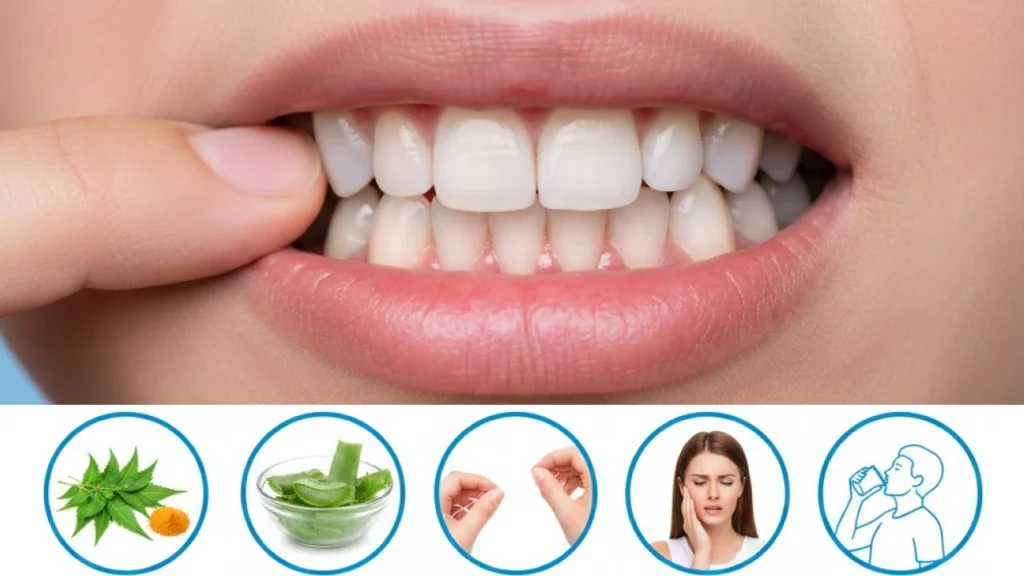
Swollen gums and pockets usually mean the gums are inflamed from plaque, bacteria, or gum disease, and the first home steps are better plaque control, gentler brushing, daily flossing, and a simple soothing rinse. Red, swollen, tender, or bleeding gums are common signs of gum disease, according to NIDCR. In periodontitis, gums can pull away from teeth and form infected spaces called pockets.
That is why people search for home remedies for swollen gums and pockets. They want something they can do now, at home, before the problem gets worse. Home care can help reduce swelling, improve comfort, and support healthier gums. But home care does not remove tartar under the gumline or cure advanced periodontal pockets. Those cases often need a dentist or periodontist.
This guide explains what gum pockets are, why gums swell, which home remedies help most, what habits make the problem worse, when professional treatment is needed, and where Nature’s Smile fits if you want a natural antibiotic solution as part of your routine.
Table of Contents
What are swollen gums and pockets?
Swollen gums are gums that look puffier, redder, smoother, or shinier than usual and may bleed when you brush or floss. Cleveland Clinic notes that swollen gums are commonly caused by gingivitis, and NIDCR lists red, swollen, tender, or bleeding gums as key symptoms of gum disease.
A gum pocket is a space that forms when the gums pull away from the teeth. NIDCR explains that in periodontitis, gums pull away from the teeth and form spaces called pockets that become infected. These pockets can trap bacteria and debris, which keeps the swelling cycle going.

Why gums swell and pockets form?
There are 5 main causes behind most swollen gums and pockets.
1. Plaque buildup
Plaque is a sticky biofilm made of bacteria and food particles. According to the NIDCR plaque and gum disease guide, plaque buildup can trigger gingivitis, which is inflammation of the gums.
2. Tartar below the gumline
If plaque is not removed, it hardens into tartar. That rough buildup keeps irritating the gums. NIDCR states that calculus, also called tartar, cannot be removed by brushing and flossing alone.
3. Gingivitis
Gingivitis is the early stage of gum disease. Cleveland Clinic says common symptoms include red, swollen, bleeding gums, and Mayo Clinic notes that prompt treatment usually reverses gingivitis symptoms.
4. Periodontitis
When inflammation moves deeper, pockets can form around the teeth. Mayo Clinic says treatment aims to thoroughly clean the pockets around teeth and prevent damage to gum tissue and bone.
5. Smoking, dry mouth, and poor home care
Poor oral hygiene, tobacco use, and inconsistent cleaning make swelling more likely and make pockets harder to control. Mayo Clinic lists brushing, flossing, and regular dental checkups among the main ways to prevent periodontitis or improve treatment success.
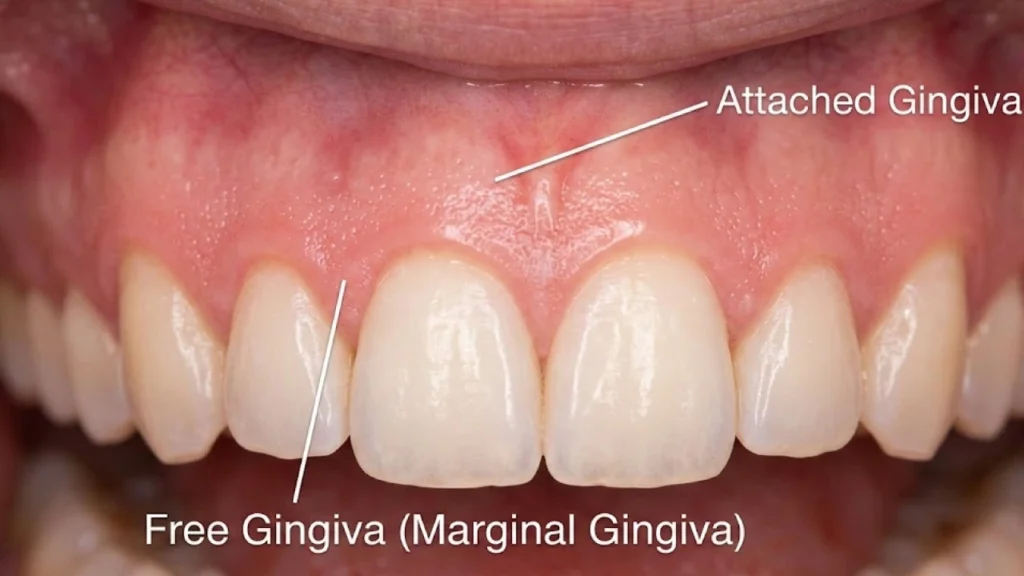
What Are Periodontal Pockets?
A periodontal pocket is the space that develops when the gum tissue detaches from the tooth. Healthy pocket depth: 1–3 mm.
Anything deeper than this may indicate infection or gum disease.
As pockets deepen:
- Oxygen levels decrease
- Harmful bacteria thrive
- Inflammation spreads further under the gums
Standard brushing cannot reach deep pockets effectively, which is why inflammation often persists.
That’s why early treatment matters.
Can Swollen Gums and Pockets Heal Naturally?
Yes — especially during early stages. Your gums are living tissue. When the source of infection is reduced and circulation improves, the gums can tighten and become healthier.
Natural healing focuses on:
- Reducing bacterial growth
- Calming inflammation
- Strengthening gum tissue
- Improving blood flow
However, severe gum disease may require professional dental treatment.
The goal of home remedies is to stop progression and restore healthier gum tissue before the damage becomes permanent.
Best Home Remedies for Swollen Gums and Pockets
Several natural remedies help calm inflammation and support gum recovery.
Warm Salt Water Rinse
Salt water has been used for oral healing for centuries. The MedlinePlus oral health guidance notes that warm saltwater rinses can help reduce bacteria and soothe irritated gum tissue.
Benefits include:
- Reduces bacterial load
- Draws out infection
- Soothes inflamed tissue
- Supports gum tightening
How to use:
- Mix ½ teaspoon salt in warm water
- Rinse for 30–60 seconds
- Repeat twice daily
This simple remedy often reduces swelling quickly.

Oil Pulling with Coconut Oil
Oil pulling is a traditional Ayurvedic practice that helps reduce oral bacteria. Coconut oil contains lauric acid, known for its antimicrobial properties.
Potential benefits:
- Reduces plaque buildup
- Supports gum health
- Improves oral cleanliness
Swish 1 tablespoon of coconut oil in your mouth for 10–15 minutes before brushing.
Aloe Vera Gel Application
Aloe vera is known for its soothing and anti-inflammatory properties.
When applied to swollen gums, it can:
- Calm irritation
- Reduce redness
- Support tissue healing
Use pure aloe vera gel and gently apply it to affected areas.
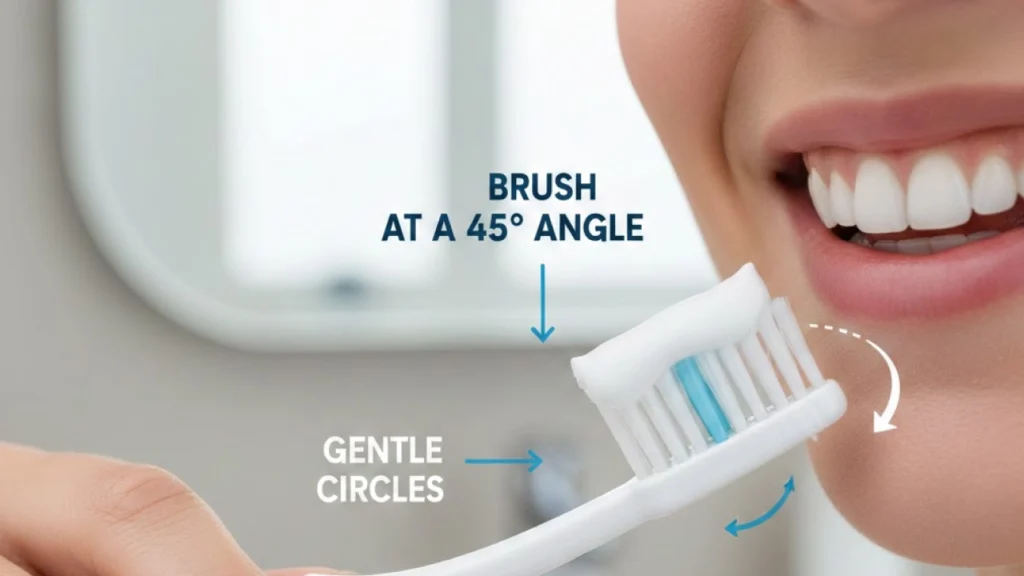
Proper Brushing Technique
Aggressive brushing can worsen gum inflammation.
Instead:
- Use a soft-bristled toothbrush
- Brush at a 45-degree angle toward the gumline
- Use gentle circular motions
Healthy brushing removes plaque without damaging gum tissue.
Flossing to Remove Hidden Plaque
Flossing removes plaque that brushing cannot reach.
When bacteria remain between teeth, they trigger inflammation and pocket formation.
Daily flossing:
- Reduces bacterial buildup
- Prevents gum pockets from deepening
- Supports healthier gum attachment
Nutritional Support for Gum Healing
What you eat directly affects gum health. The MedlinePlus gum disease overview explains that nutrition and overall health play a role in gum tissue strength and inflammation control.
Vitamin C
Essential for collagen production and tissue repair.
Sources include:
- Citrus fruits
- Bell peppers
- Strawberries
- Broccoli
Low Vitamin C intake is strongly linked with bleeding gums.
Omega-3 Fatty Acids
Omega-3 fats help reduce chronic inflammation.
Foods rich in omega-3 include:
- Salmon
- Chia seeds
- Flaxseeds
- Walnuts
Reducing inflammation helps shrink swollen gum tissue.
Why Surface Remedies Alone Are Not Enough
Most home remedies treat the surface of the gums. But periodontal pockets form below the gumline, where bacteria hide and continue damaging tissue.
That’s why many people experience recurring swelling even after using mouthwash or rinses.
To truly address gum pockets, treatment needs to reach beneath the gumline and stay there long enough to act.
How Nature’s Smile Targets Deep Gum Pockets?
One approach designed for deeper gum care is Nature’s Smile, a concentrated herbal gum balm developed specifically for periodontal health.
Unlike typical mouthwash that rinses away quickly, Nature’s Smile has a thick balm-like consistency that adheres to the gumline and penetrates gum pockets where bacteria live.
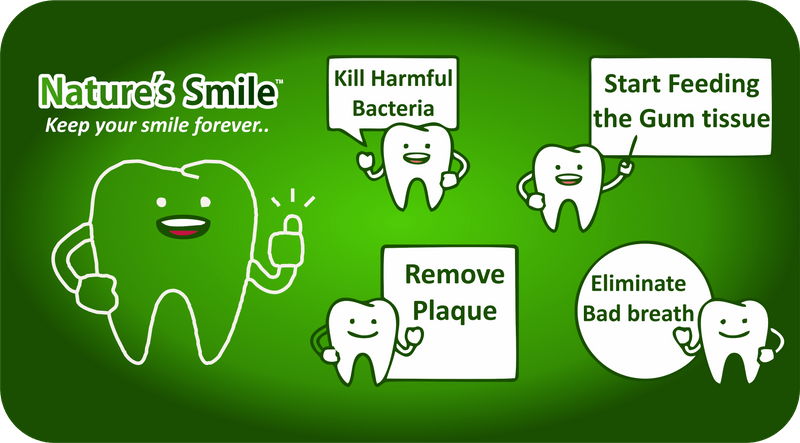
This allows its active ingredients to remain in contact with infected tissue longer.
According to product information, the formula works by:
- Attacking harmful bacteria inside gum pockets
- Reducing inflammation and swelling
- Strengthening gum tissue
- Supporting natural gum regeneration
Because the balm clings to the gums rather than washing away, it continues working even after brushing. Check out unbiased Nature’s Smile reviews
Key Herbal Ingredients That Help Reduce Gum Swelling
Nature’s Smile contains several plant extracts traditionally used for oral health.
- Oak Bark: Oak bark contains tannins that tighten and strengthen gum tissue. These tannins bind to tissue proteins, making them more resistant to bacterial invasion.
- Silver Fir: Silver Fir is known for its antiseptic and anti-inflammatory properties. It helps reduce irritation and supports circulation in gum tissue.
- Neem: Neem is widely used in traditional medicine for its antibacterial effects. It helps control plaque and harmful oral bacteria.
- Yarrow: Yarrow contains natural compounds that help stop bleeding and support wound healing in soft tissues.
- Chamomile: Chamomile calms irritated tissue and reduces inflammation.
- Nettle: Nettle extract supports circulation and helps reduce bleeding gums.
How the Formula Works Inside Gum Pockets?
The effectiveness of herbal gum treatments depends on delivery. Nature’s Smile uses a concentrated paste formula designed to cling to gum tissue and reach areas below the gumline.
Once inside periodontal pockets, the herbal compounds:
- Disrupt bacterial colonies
- Reduce inflammation
- Support tissue tightening
- Improve circulation in the gums
Over time, this may help reduce pocket depth and swelling.
How Long Does Gum Healing Take?
Healing speed depends on the severity of the problem.
Typical timeline:
Week 1–2
- Reduced swelling
- Less bleeding
Week 3–4
- Gums feel firmer
- Less sensitivity
1–3 months
- Gum pockets may shrink
- Overall gum health improves
Consistency is key.
When to See a Dentist Immediately?
Home remedies can help early gum problems, but severe symptoms require professional care. The Mayo Clinic periodontal disease guide explains that untreated gum infections can damage bone and lead to tooth loss.
Seek professional care if you notice:
- Persistent pus around gums
- Loose teeth
- Severe gum recession
- Intense pain or swelling

A dentist can measure pocket depth and recommend additional treatment if necessary.
Preventing Future Periodontal Pockets
Prevention is easier than reversal.
Maintain healthy gums by:
- Brushing twice daily
- Flossing daily
- Eating anti-inflammatory foods
- Using herbal gum support regularly
- Visiting your dentist twice per year
Gum pockets form slowly — and they can shrink slowly with proper care.
Final Thoughts
Swollen gums and periodontal pockets don’t develop overnight.
They build slowly — and they can improve gradually with the right care.
Natural remedies like salt rinses, proper brushing, nutrition, and herbal treatments can significantly reduce inflammation and support gum healing.
Targeted solutions like Nature’s Smile are designed to go deeper — penetrating gum pockets and delivering antibacterial herbal extracts directly where infection begins.
The earlier you act, the easier it is to protect your gums and keep your natural teeth healthy.