You care about your teeth. That’s why you brush them every day. Maybe twice. Maybe right after every meal. But now you look in the mirror and see something troubling. Your teeth look longer than they used to. The gums near your canine teeth or premolars seem to be pulling back. There might be dark triangles forming between teeth. Or maybe you feel a sharp twinge when cold air hits your mouth.
Here’s the hard truth nobody tells you. That aggressive scrubbing you’ve been doing? The one you thought was “thorough cleaning”? It might be slowly scraping your gums away.
The good news? You caught it. And now we’re going to talk about how to fix receding gums from brushing too hard. Not with surgery. Not with harsh chemicals. But by understanding what went wrong and giving your body what it needs to heal.
Table of Contents
The “Scrubber’s Dilemma”: Why Your Good Habit Turned Bad

Let’s get one thing straight right now. This isn’t your fault. You were never taught how to brush properly. Most of us weren’t. We were just told to “brush well” and left to figure it out.
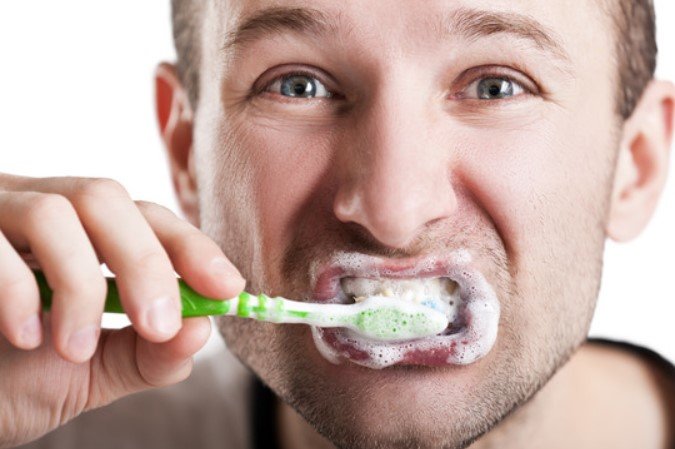
Here’s what happens when you brush too hard. Your gums are delicate. Really delicate. They’re like thin velvet wrapped around the base of your teeth. When you bear down with a toothbrush—especially a medium or hard-bristled brush—you aren’t just cleaning plaque. You’re physically abrading that velvet.
The body notices this trauma. It doesn’t like it. So it does what it always does when something causes chronic irritation. It retreats. The gum tissue slowly pulls back, trying to get away from the source of the pounding.
Meanwhile, your toothbrush bristles are taking a beating too. Take a look at your brush right now. If the bristles are splayed outward like a fan instead of standing up straight, that’s evidence. You’re brushing with the force of a scrub brush, not a dental tool.
The damage shows up in three places. First, the gums recede. Second, you might see little notches forming near the gum line on the tooth itself. Dentists call these abfractions. Third, sensitivity sets in because the softer root surface of the tooth becomes exposed.
Signs You’re Brushing Too Hard Right Now
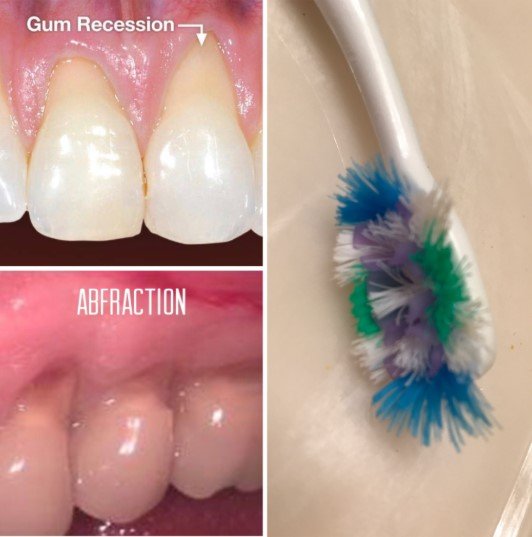
Before we talk solutions, let’s confirm the problem. Here are the telltale signs of toothbrush trauma.
Your toothbrush looks wrecked. If you buy a new brush and within three weeks it looks like you used it to clean grout, you’re pushing too hard. A healthy brush should last three months with normal wear.
You see a shiny spot on your gum. Sometimes the gum itself looks almost polished or scarred right where you bear down hardest. That’s tissue damage.
Cold drinks hurt. Not all the time. Just right at the base of certain teeth. That’s exposed dentin screaming at you.
Your gums bleed when you brush. This is the big one people misunderstand. They think “my gums bleed so I need to brush them harder to make them tough.” Wrong. They bleed because you’re injuring them. Back off.
You can actually see the roots. If the gum line looks uneven or you can see more yellow dentin near the bottom of the tooth, the recession has already started.
First Things First: Stop Making It Worse
You can’t heal a wound you keep punching. So before we talk about fixing what’s already damaged, we have to address the cause.
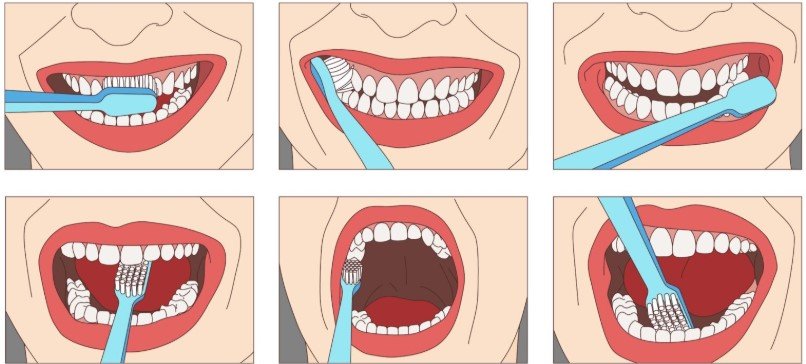
Change your grip. Hold your toothbrush the way you hold a pen. Not like you’re gripping a hammer. This simple switch reduces the force your hand can apply by about half. Try it right now. Feel the difference?
Use the two-finger test. Here’s a trick dentists use. Take your brush and try to brush the back of your thumbnail. If the bristles bend or splay, you’re using too much pressure. Real brushing should feel like a gentle massage, not a scrubbing session.
Switch to soft bristles only. Medium and hard brushes are almost never necessary. They’re for dentures and heavy appliances, not living gum tissue. Buy soft. Buy extra soft if you can find them.
Short strokes, not sawing. Think of each tooth as its own little island. Clean it with tiny circles or short back-and-forth motions. Don’t drag the brush across three or four teeth at once like you’re sawing a log.
Electric toothbrushes with pressure sensors. If you really can’t trust your own hand, buy an electric brush that beeps or stops when you push too hard. They’re worth every penny for aggressive brushers.
Can Gums Really Grow Back? Let’s Be Honest
Here’s where I need to level with you. If your gums have been receding for years and you’ve lost significant tissue, that specific gum tissue is gone forever. That’s just anatomy. Gum tissue doesn’t regenerate like skin or liver cells.
But.
And this is a big but.
The gums you still have can get healthier. Stronger. Tighter. They can become more resistant to future damage. And in some cases, as the inflammation goes down and the tissue thickens, the gum line can creep forward just a tiny bit. Not full coverage. But enough to cover some of that exposed root and reduce sensitivity.
The goal isn’t to grow back what’s lost overnight. The goal is to stop the bleeding, tighten the tissue, and prevent any further recession.
That’s where targeted natural treatment comes in.
Why Nature’s Smile Works for Brushing Trauma
Here’s what most people do wrong. They see receding gums and they reach for a mouthwash. Something strong and alcohol-based that “kills germs.” But mouthwash is mostly water. It hits your gums and runs off in thirty seconds. It doesn’t stick around to actually heal tissue.
When you’ve physically traumatized your gums with a toothbrush, you need more than a quick rinse. You need something that adheres to the injury site and delivers healing compounds directly to the damaged area.
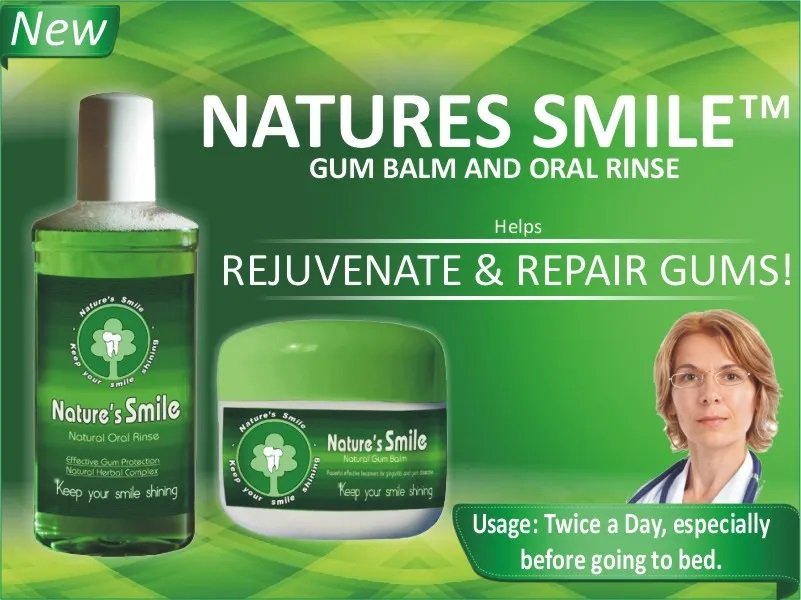
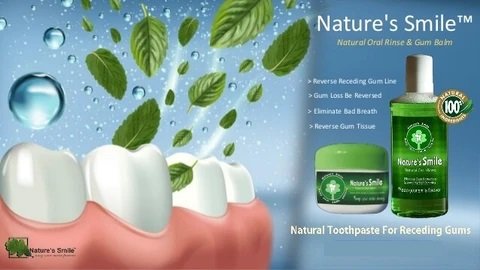
As many Natures Smile Reviews point out, Nature’s Smile is a gum balm, not a mouthwash. That distinction matters. It’s thick enough to stay where you put it. It clings to the gum line and continues working long after you walk away from the sink.
But the real magic is in what’s inside the tube.
The Ingredients That Actually Help Traumatized Gums
Let’s break down why Natures Smile is specifically good for recession caused by mechanical damage like hard brushing.
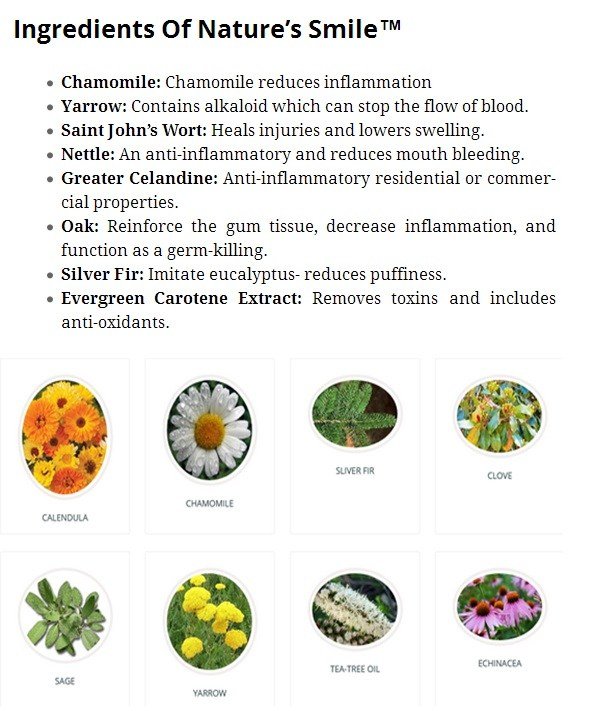
Oak Bark. This is an astringent. That means it literally tightens tissues. When you apply it to irritated gums, it helps shrink swollen areas and strengthens the attachment between the gum and the tooth. Think of it as a gentle tightening mask for your mouth.
Silver Fir. Another astringent with a bonus. It improves circulation to the area. When gums are traumatized, blood flow gets restricted. Silver Fir helps open things back up so oxygen and nutrients can reach the damaged cells.
Nettle. High in minerals and known for stopping bleeding. If your gums bleed when you brush (even gently now), nettle helps calm that down. It also supports collagen production, which is the protein matrix your gums need to stay firm.
Chamomile. This isn’t just for tea. Chamomile is a powerful anti-inflammatory. It soothes the red, angry tissue that results from scrubbing. It takes the heat out of the inflammation so real healing can begin.
Myrrh. Ancient healers used this for wounds. Modern research backs it up. Myrrh is antimicrobial and helps repair soft tissue. It’s particularly good for mouth tissue because it’s gentle enough to use daily but effective enough to make a difference.
Clove. Yes, it numbs. But more importantly, it increases circulation to the gum tissue and fights infection. For gums that have been physically damaged, clove helps create an environment where healing can happen.
Yarrow. Another wound-healing herb. It’s traditionally used to stop bleeding and promote tissue regeneration. Perfect for gums that have been abraded by aggressive brushing.
These ingredients work together. They don’t just mask the problem with alcohol or artificial numbing agents. They actually give your gum tissue what it needs to repair itself.
🌱 Start Your Journey to Healthier Gums Today—Click Here to Get Nature’s Smile Now!
How to Use Nature’s Smile for Maximum Healing
Here’s your daily protocol. Follow this exactly for the first month.
Morning routine. Brush your teeth gently with a soft brush. You can use a tiny bit of Nature’s Smile on the brush if you want, but the real treatment comes next. After brushing, take a clean finger and apply a fresh dab of Nature’s Smile directly to the receded areas. Press it gently into the gum line. Don’t rub hard. Just let it sit there.
The waiting game. Here’s the part people skip. Leave it on. Don’t rinse. Don’t drink anything for at least two or three minutes. This gives the oak bark and myrrh time to penetrate the tissue. If you can leave it longer, even better. The balm will gradually mix with your saliva and spread around, but the active ingredients stay put.
Night routine. This is your power move. Before bed, after brushing, apply a slightly thicker layer to the receding areas. Go to sleep with it on. Overnight, while your body does most of its repair work, Nature’s Smile is feeding those damaged tissues. You’ll wake up with gums that feel tighter and less sensitive.
The massage technique. Once a day, when you apply the balm, spend sixty seconds gently massaging it in. Use small circular motions with your fingertip. This stimulates blood flow to the area. Better blood flow means faster healing. But remember—gentle. You’re not scrubbing. You’re massaging.
💫 Ready for Healthier Gums? Visit the Official Nature’s Smile Website Now for a Limited-Time Discount!
What Real Results Look Like
One reason people search for Natures Smile Reviews is to understand what realistic results may look like over time when the balm is used consistently alongside gentler brushing habits. Everyone heals at different speeds. But here’s what you can reasonably expect if you fix your brushing technique and use Nature’s Smile consistently.
Week one. The bleeding stops. Your gums look less red and angry. They might still feel tender, but the sharp pain when brushing is gone.
Week two to four. The tissue starts feeling firmer. When you run your tongue along the gum line, it doesn’t feel as puffy or loose. Sensitivity to cold might decrease as the gum tissue thickens slightly and covers more of the root.
Month two and beyond. The recession stops progressing. The gum line stabilizes. In some cases, you might notice the gums look slightly fuller, as if they’ve crept forward just a tiny bit. This isn’t new tissue growing—it’s old tissue tightening up and inflammation draining away, which makes the gums appear higher.
Will you get back to where you were twenty years ago? Probably not. But will you stop the recession, eliminate the pain, and protect your teeth for the future? Absolutely.
Real People, Real Stories
Here’s what we hear from people who’ve made the switch.
“I thought I was cleaning my teeth well, but I was just hurting them. My dentist told me I had brush abrasion and my gums were receding. Since changing my technique and using Nature’s Smile, the sensitivity is gone and my gums look pink and healthy again. I wish I’d known this ten years ago.” — Mark T.
“I’m a aggressive brusher. Always have been. My gums were so thin in spots you could almost see through them. After three months of using Nature’s Smile and forcing myself to be gentle, my hygienist commented on how much healthier my tissue looked. She asked what I changed.” — Patricia W.
“The cold sensitivity was driving me crazy. I couldn’t even drink room temperature water without wincing. Now I can have ice cream again. Not a ton of it, but I can actually enjoy it without pain.” — David R.

🌿 Healthy Gums Are Just a Click Away! Get Nature’s Smile at a Discounted Price Today—Shop Now!
Your Long-Term Maintenance Plan
You’ve fixed the brushing. You’ve started the natural treatment. Now let’s make sure this never happens again.
Check your brush monthly. If you see splaying, you’re still pushing too hard. Back off.
Keep using the balm. Even after your gums feel better, a maintenance dose once a day keeps the tissue strong and resistant to daily micro-trauma.
Watch your diet. Sugar feeds the bacteria that irritate gums. You don’t have to be perfect, but cutting back on sticky sweets helps keep inflammation low.
Stay hydrated. Dry mouth is enemy number one for gum health. Saliva is your mouth’s natural cleanser and healer. Drink water throughout the day.
See your dentist. Not because you need a lecture, but because they can measure whether your recession has stabilized. That data helps you know if your new routine is working.
Frequently Asked Questions
Q: I’ve been brushing hard for twenty years. Is it too late to fix this? A: It’s never too late to stop damage and improve tissue health. The recession that’s already happened may be permanent, but you can absolutely prevent further loss and strengthen what’s left.
Q: How long until I see results with Nature’s Smile? A: Most people notice less bleeding and sensitivity within the first two weeks. Tissue tightening takes longer—usually one to three months of consistent use.
Q: Can I use Nature’s Smile with my regular toothpaste? A: Yes. Use your regular toothpaste for general cleaning if you want, then apply Nature’s Smile afterward as a targeted treatment. Some people prefer to use it for both cleaning and treatment.
Q: Will this help with the notches in my teeth from brushing hard? A: The balm won’t fill in notches in the tooth enamel. But it will help the gum tissue around those notches become healthier and less sensitive, which reduces pain.
Q: What if my recession is really bad? Like, roots fully exposed? A: Severe recession may eventually need surgical intervention. But even in those cases, strengthening the remaining tissue with Nature’s Smile creates a better foundation for any future procedures and helps maintain what you have.
Reclaim Your Gum Line
Look, discovering that your own good habits caused damage is frustrating. It feels unfair. You were trying to do the right thing. But here’s the perspective shift that helps. Your body wants to heal. It’s designed to repair itself when given half a chance. All you have to do is stop injuring it and give it the tools it needs. That’s what this is about. Put down the death grip on your toothbrush. Pick up a soft brush and a tube of something that actually nurtures your tissue instead of just blasting it with chemicals.
Nature’s Smile isn’t a magic wand. It’s a tool. A really good one. One that delivers oak bark, myrrh, chamomile, and silver fir directly to the place where you need healing most. You’ve already done the hard part. You noticed the problem. You cared enough to look for answers. Now take the next step.
Stop the damage. Start the healing. Give your gums what they need to recover from years of aggressive scrubbing. Your smile has taken care of you your whole life. It’s time to return the favor.
🛒 Get Nature’s Smile Today—Click Here to Secure Your Discount on the Official Site!
References
https://www.ada.org/resources/ada-library/oral-health-topics/toothbrushes
https://www.nidcr.nih.gov/health-info/gum-disease
https://www.perio.org/for-patients/gum-disease-information/
https://www.cdc.gov/oral-health/data-research/facts-stats/fast-facts-gum-disease.html