Sugar is often called the silent villain of dental health. Like a tiny army attacking your teeth after every sweet bite, sugar fuels harmful bacteria that slowly damage enamel and irritate gums.
But does sugar directly cause gum disease or cavities, or is the story more complex?
Understanding how sugar affects your mouth can help you protect your smile and avoid costly dental problems. In this guide, we’ll explore the science behind sugar, cavities, gum disease, and how natural solutions like Nature’s Smile can support healthier gums.
Table of Contents
How Sugar Affects Your Teeth and Gums?
Sugar itself does not directly drill holes in your teeth. The real culprits are oral bacteria that feed on sugar.
When you eat sugary foods, bacteria in your mouth convert sugar into acids. These acids attack tooth enamel, the protective outer layer of your teeth. NIDCR +1
Over time, this process leads to:
- Enamel erosion
- Tooth decay
- Gum inflammation
- Plaque buildup
Think of sugar as fuel for harmful bacteria. The more sugar they consume, the more acid they produce, and the more damage your teeth and gums experience.

Without proper oral hygiene, this cycle can quickly lead to cavities and gum disease.
Does Sugar Cause Cavities?
Yes, sugar plays a major role in cavity formation.
Cavities, also known as dental caries, develop when acids produced by bacteria gradually break down tooth enamel. CDC
The cavity process happens in stages:
- Sugar consumption
- Bacteria feed on sugar
- Acid production
- Enamel weakening
- Formation of small holes in teeth (cavities)
Sticky sugary foods such as:
- Candy
- Soda
- Cookies
- Caramel
- Sweetened drinks
are especially harmful because they stay on teeth longer.
The longer sugar remains in your mouth, the more time bacteria have to produce damaging acids.
Can Sugar Cause Gum Disease?
While sugar is best known for causing cavities, it can also contribute to gum disease.
Gum disease begins when plaque builds up along the gumline. Plaque is a sticky film filled with bacteria that thrive on sugar.
Over time, plaque can irritate the gums and cause gingivitis, the earliest stage of gum disease. CDC
Symptoms of gum disease include:
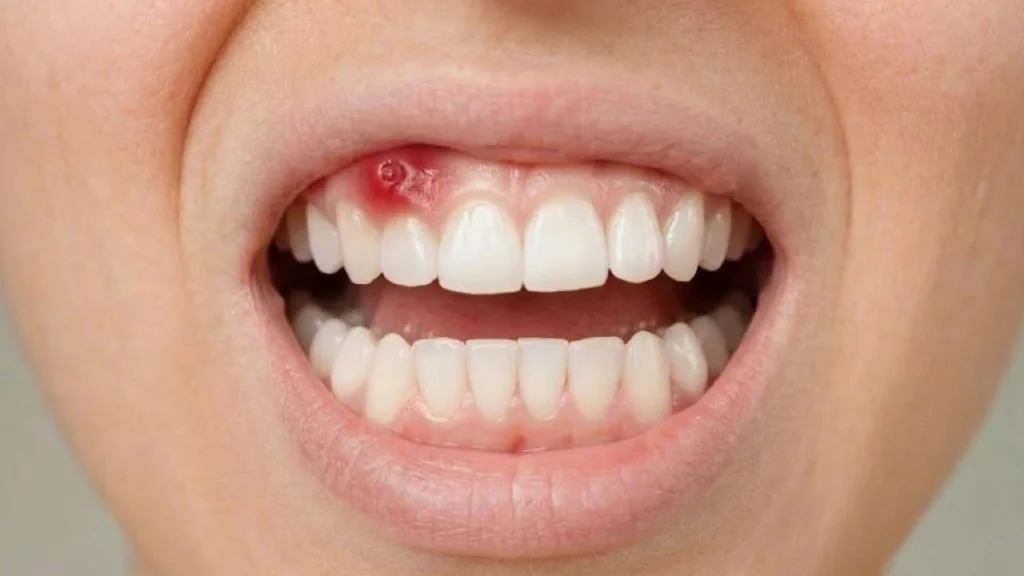
- Red or swollen gums
- Bleeding when brushing
- Bad breath
- Gum sensitivity
If untreated, gingivitis can progress into periodontitis, a serious condition that damages the tissues and bone supporting your teeth.
Sugar accelerates this process because it encourages bacterial growth and plaque accumulation.
Why Sugary Drinks Are Especially Dangerous?
Sugary drinks are one of the biggest threats to dental health. Unlike solid foods, sugary beverages coat the entire mouth, allowing sugar to reach every tooth and gum surface.
Common harmful drinks include:
- Soft drinks
- Energy drinks
- Sweetened coffee
- Fruit juices
- Sports drinks
Many people sip these drinks throughout the day, which repeatedly exposes teeth to sugar and acid. World Health organization
Dentists often call this “constant acid attack.”

The result is a much higher risk of cavities and gum irritation.
Hidden Sugars That Harm Your Teeth
Many people think they avoid sugar by skipping candy, but sugar hides in many everyday foods.
Common hidden sugar sources include:
- Flavored yogurt
- Breakfast cereals
- Sauces and ketchup
- Protein bars
- Packaged snacks
Even foods labeled “healthy” can contain surprising amounts of sugar.
Reading nutrition labels can help reduce your daily sugar intake and protect your teeth and gums.
Signs Sugar Is Damaging Your Teeth
Early dental damage caused by sugar may not always be obvious. However, your mouth often shows warning signs.
Watch for symptoms such as:
- Tooth sensitivity
- Persistent bad breath
- White or brown spots on teeth
- Bleeding gums
- Gum tenderness
These signs may indicate developing cavities or early gum disease.
Taking action early can prevent serious dental problems later. ADA
How to Protect Your Teeth from Sugar Damage?
The good news is that you don’t have to completely eliminate sugar to maintain healthy teeth. Instead, adopting smart oral care habits can significantly reduce the damage.

Here are several dentist-recommended strategies:
Brush and Floss Daily
Brushing twice a day removes plaque and leftover sugar that bacteria feed on.
Flossing helps clean areas between teeth where bacteria often hide.
Rinse After Sugary Foods
If brushing isn’t possible, rinsing your mouth with water after eating sweets can wash away sugar and reduce acid production.
Limit Frequent Snacking
Constant snacking gives bacteria a steady supply of sugar. Try to enjoy sweets with meals rather than throughout the day. NIDCR
Drink More Water
Water helps neutralize acids and rinse away food particles.
“But I Brush Twice a Day—Why Am I Still Getting Cavities?”
This is common, and it usually comes down to one of these:
- sugar frequency is high (sipping/snacking)
- brushing misses gumline and back molars
- no interdental cleaning
- dry mouth (medications, mouth breathing)
- high plaque risk or enamel vulnerability
Brushing matters, but sugar frequency can overwhelm good brushing.
Natural Oral Care Solutions for Healthier Gums
Many people today are turning to natural oral care solutions to support gum health alongside traditional brushing and flossing.
One popular herbal formula is Nature’s Smile, which is designed to help support gum health and reduce harmful bacteria in the mouth.
Nature’s Smile contains plant-based ingredients known for their antibacterial and anti-inflammatory properties.

Some benefits users report include:
- Healthier gums
- Reduced gum bleeding
- Fresher breath
- Improved overall oral hygiene
Unlike harsh chemical mouthwashes, herbal formulas like Nature’s Smile focus on supporting the mouth’s natural balance.
When used regularly as part of a complete oral care routine, it may help reduce the bacterial buildup that contributes to gum disease.
Why Gum Health Matters More Than You Think?
Many people focus only on cavities, but gum health is equally important. Healthy gums support your teeth like the foundation of a house. Without strong gums, even perfectly healthy teeth can become loose.
Research also suggests that gum disease may be linked to broader health issues such as:
- Heart disease
- Diabetes complications
- Inflammation in the body
Keeping your gums healthy is not just about your smile—it can affect your overall wellness.
Simple Diet Changes That Protect Your Teeth
Reducing sugar damage doesn’t mean giving up flavor or enjoyment. A few smart dietary changes can dramatically improve oral health. Consider these tooth-friendly habits. CDC
Eat more foods that strengthen teeth:
- Crunchy vegetables (carrots, celery)
- Dairy products rich in calcium
- Nuts and seeds
- Leafy greens
Limit highly processed snacks and sugary drinks.
These changes help maintain a healthier balance of bacteria in your mouth.
FAQs
Does sugar cause cavities even if I brush?
Yes. Brushing helps, but frequent sugar exposures still create repeated acid attacks, which can outpace your ability to recover.
Is fruit sugar as bad as candy?
Whole fruit is usually less risky than candy because it comes with water and fiber and is eaten less like “sticky fuel.” Dried fruit and juice behave more like candy and soda.
Does sugar cause gum recession?
Sugar doesn’t directly “pull gums back,” but it can increase plaque activity and inflammation, which can worsen gum health if hygiene is poor. Plaque buildup leading to gingivitis is well established.
What’s the #1 change for preventing cavities?
Reduce sugar frequency—especially sweet drinks between meals—then keep fluoride brushing consistent.
The Bottom Line: Does Sugar Cause Gum Disease or Cavities?
Sugar is not the direct cause of cavities or gum disease, but it feeds the bacteria responsible for both problems.
When sugar interacts with oral bacteria, acids form and attack tooth enamel while encouraging plaque buildup along the gumline.
Over time, this process can lead to:
- Tooth decay
- Cavities
- Gingivitis
- Periodontal disease
The key to protecting your smile is a combination of:
- Good oral hygiene
- Reduced sugar consumption
- Regular dental checkups
- Natural gum care support such as Nature’s Smile
By understanding how sugar affects your mouth, you can make smarter choices and keep your teeth and gums healthy for years to come.