Turning 40 often brings new priorities for health—and your gums are no exception. Many adults notice subtle changes in their oral health after this age. Gums may become more sensitive, small pockets may form near teeth, or bleeding may appear during brushing or flossing.
These changes aren’t unusual. As we age, gum tissue naturally becomes more vulnerable to inflammation and bacterial buildup. The good news is that a consistent daily gum care routine can dramatically improve gum health and prevent serious dental problems.
This guide explains a simple and effective daily gum care routine for adults over 40 that supports stronger gums, healthier teeth, and long-term oral wellness.
Table of Contents
Why Gum Care Becomes More Important After 40?
Many adults develop early gum problems without realizing it. Gum disease often begins quietly, with mild inflammation or occasional bleeding.
Several factors make gums more sensitive after 40:
- Slower tissue regeneration
- Hormonal changes
- Reduced saliva production
- Long-term plaque accumulation
- Certain medications
If left untreated, early gum inflammation can gradually develop into periodontal disease, which may lead to gum recession and tooth loss.

That’s why a structured gum care routine becomes especially valuable after this age.
According to the Centers for Disease Control and Prevention, untreated gum inflammation can progress into periodontal disease, which may eventually lead to tooth loss.
Common Gum Problems Adults Over 40 Experience
Understanding the most common gum issues helps you identify them early.
Bleeding Gums
One of the first warning signs of gum inflammation is bleeding while brushing or flossing.
The American Dental Association explains that bleeding gums are often an early sign of gingivitis and should not be ignored.
Gum Recession
Gums may slowly pull back from the teeth, exposing sensitive tooth roots.
Gum Pockets
Small spaces between teeth and gums may deepen as bacteria accumulate.
Persistent Bad Breath
Chronic bad breath often signals bacterial buildup under the gumline.
Increased Tooth Sensitivity
Exposed root surfaces can cause sensitivity to hot, cold, or sweet foods.
A proactive daily routine can help prevent these problems from worsening.
The Ideal Morning Gum Care Routine
Starting your day with proper gum care sets the tone for healthy oral hygiene.
Brush with a Soft Toothbrush
Use a soft-bristled toothbrush and brush gently for at least two minutes.
Hold the brush at a 45-degree angle toward the gumline to remove plaque effectively.
Hard brushing can damage gum tissue, so focus on gentle circular motions instead of scrubbing.
Use Fluoride Toothpaste
Fluoride strengthens tooth enamel and protects against cavities.
Many dentists recommend toothpaste formulated specifically for gum health and sensitivity.
Clean the Tongue
The tongue can harbor bacteria that contribute to gum inflammation.
Use a tongue scraper or toothbrush to clean the surface of your tongue each morning.
Why Flossing Is Essential After 40?
Brushing alone cannot reach the tight spaces between teeth where bacteria hide.
Daily flossing removes plaque and food particles that accumulate in these areas.
The American Academy of Periodontology recommends daily flossing to prevent plaque buildup and reduce the risk of gum disease.
Benefits of Daily Flossing
Flossing helps:
- Prevent gum inflammation
- Reduce plaque buildup
- Improve breath freshness
- Protect against periodontal disease
If traditional floss feels difficult to use, alternatives like floss picks or water flossers can be effective options.

Adding Gum Massage to Your Routine
One habit that many adults overlook is gum massage. Massaging your gums improves circulation and stimulates healthy tissue.
How to Massage Your Gums
- Wash your hands thoroughly.
- Place a fingertip on the gumline.
- Use gentle circular motions for 30–60 seconds.
This simple practice supports healthy blood flow and may help reduce swelling.
The Role of Mouthwash in Gum Care
An antibacterial mouthwash can complement brushing and flossing. Mouthwash helps reach areas of the mouth that brushing may miss, reducing harmful bacteria.
Choosing the Right Mouthwash
Look for mouthwash designed to:
- Reduce plaque buildup
- Fight gum inflammation
- Freshen breath
Alcohol-free options are often gentler on gum tissue.
How Nature’s Smile Supports Daily Gum Care?
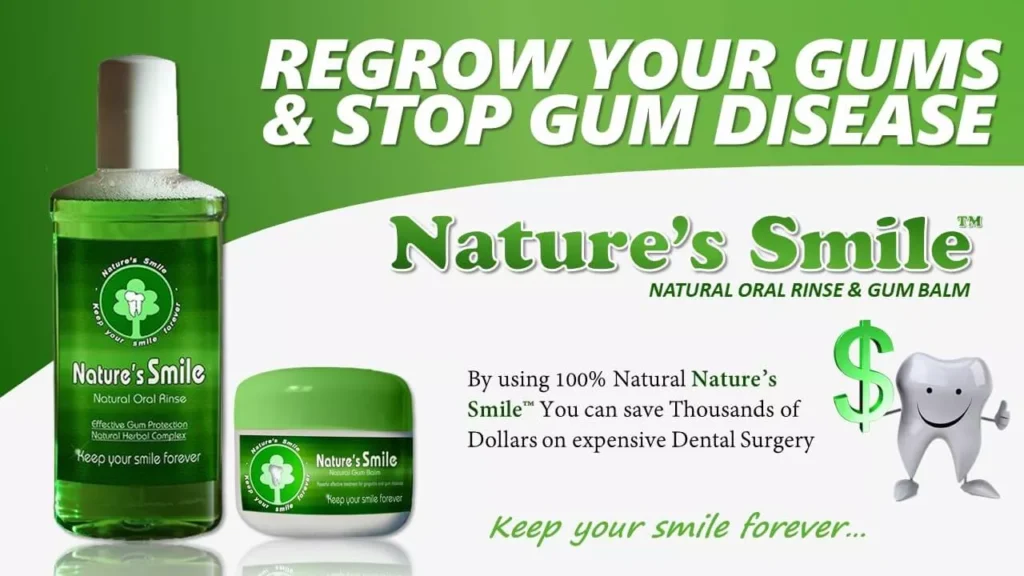
For adults over 40 looking for a natural gum care solution, Nature’s Smile has become a popular option. Unlike many mouthwashes that simply rinse away bacteria, Nature’s Smile is a gum balm designed to stay on the gumline longer, allowing its herbal ingredients to work directly where they’re needed. Read Out customer reviews for Natures Smile
Its formula contains plant extracts known for supporting gum health, including:
- Oak bark
- Silver fir
- Chamomile
- Clove
- Nettle
- Neem
These ingredients may help:
- Reduce gum inflammation
- Support healthy circulation
- Strengthen gum tissue
- Control harmful bacteria
Because the balm adheres to the gumline, it can reach areas where bacteria often hide, including deep gum pockets.
Evening Gum Care Routine for Adults Over 40
Your nighttime routine is just as important as your morning routine.
During sleep, saliva production decreases, which allows bacteria to multiply more easily.
A strong evening routine helps reduce bacterial growth overnight.
Step 1: Brush Thoroughly
Brush gently for two minutes, focusing on the gumline.

Step 2: Floss Carefully
Remove plaque and debris between teeth before bedtime.
Step 3: Apply Targeted Gum Care
Some adults apply a small amount of gum balm, such as Nature’s Smile, along the gumline before bed.
This allows the ingredients to remain on the gums while the body naturally repairs tissues overnight.
Nutrition for Healthy Gums After 40
Diet plays a significant role in gum health. Certain nutrients help maintain strong gum tissue.
Vitamin C
Vitamin C supports collagen production and gum repair.
According to the National Institutes of Health, Vitamin C plays an important role in collagen formation and maintaining healthy gum tissue.
Sources include:
- Citrus fruits
- Strawberries
- Bell peppers
- Broccoli
Calcium
Calcium strengthens teeth and supports bone structure.
Omega-3 Fatty Acids
Omega-3s help reduce inflammation in the body, including gum tissue.
A balanced diet supports your daily gum care routine from the inside out.
Lifestyle Habits That Affect Gum Health
Some lifestyle factors can significantly impact gum health.
Smoking
Smoking reduces blood flow to gum tissue and increases the risk of periodontal disease.
Stress
High stress levels can weaken the immune system and increase inflammation.
Poor Sleep
Lack of sleep may affect the body’s ability to repair tissues, including gums.

Improving these habits can strengthen the effectiveness of your daily oral care routine.
How Often Should Adults Over 40 Visit the Dentist?
Regular dental checkups remain essential, even with excellent home care.
Dentists recommend visiting every six months for cleanings and examinations.
The Mayo Clinic states that regular dental checkups help detect gum disease early and prevent serious oral health complications.
Professional cleanings remove hardened plaque that cannot be removed through brushing or flossing alone.
Early detection of gum disease can prevent serious complications later.
Signs Your Gum Care Routine Is Working
When your gum care routine is effective, you may notice several positive changes.
Healthy gums typically appear:
- Firm and pink
- Free from swelling
- Non-bleeding during brushing
- Comfortable without sensitivity
If these signs improve over time, your routine is supporting healthier gums.
When to Seek Professional Help
Although home care plays a major role in gum health, some situations require professional treatment.
You should consult a dentist if you experience:
- Persistent bleeding gums
- Severe gum swelling
- Loose teeth
- Deep gum pockets
- Chronic bad breath
Early treatment can prevent long-term damage.
Final Thoughts
Maintaining healthy gums after 40 doesn’t require complicated routines. The key is consistency and gentle care.
A daily gum care routine that includes brushing, flossing, gum massage, and proper nutrition can significantly improve gum health and help prevent periodontal disease.
Adding natural gum-supporting products like Nature’s Smile may further support this routine by delivering herbal ingredients directly to the gumline where bacteria often accumulate.
Small daily habits can make a big difference. With the right care, adults over 40 can maintain strong gums, healthy teeth, and a confident smile for years to come.