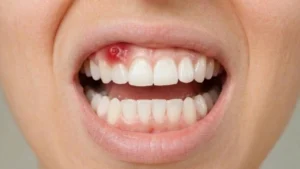
When people hear the words gum disease, they usually picture adults dealing with receding gums or dental problems later in life. But the truth might surprise many parents.
Yes, children can get gum disease too.
While severe gum disease is more common in adults, early forms of gum problems—especially gingivitis—can appear in children and teenagers if oral hygiene is neglected.
The good news is that gum disease in children is usually preventable and reversible when caught early. Understanding the causes, warning signs, and daily habits that protect gum health can help parents keep their child’s smile healthy for years to come.
In this guide, we’ll explore everything parents should know about gum disease in children, including prevention strategies and when to seek dental care.
Table of Contents
What Is Gum Disease?
Gum disease refers to infections or inflammation that affect the gums and tissues supporting the teeth. ADA

There are two main stages of gum disease:
Gingivitis
Gingivitis is the earliest and mildest stage of gum disease. It occurs when plaque builds up along the gumline and causes irritation.
Common signs include:
- Red or swollen gums
- Bleeding during brushing
- Tender gum tissue
- Persistent bad breath
The positive side is that gingivitis is reversible with proper oral care.
Periodontitis
If gingivitis is left untreated, it may progress into periodontitis, a more serious condition that damages the tissues and bone supporting the teeth.
Although rare in young children, some teenagers may develop more advanced gum problems if early signs are ignored.
Why Children Can Develop Gum Disease?
Children are not immune to gum problems. In fact, several factors make them vulnerable. AAP
Poor Brushing Habits
Many children rush through brushing or skip it altogether. Plaque quickly builds up along the gumline when brushing is inconsistent.
Plaque and Bacteria
Plaque is a sticky film of bacteria that forms on teeth throughout the day. When not removed regularly, it irritates the gums and triggers inflammation.
Sugary Diet
Frequent consumption of sugary snacks and drinks can feed bacteria in the mouth, increasing the risk of gum problems.
Hormonal Changes
Older children and teenagers may experience hormonal fluctuations during puberty. These changes can make gums more sensitive and prone to inflammation.
Orthodontic Appliances
Braces and retainers create additional areas where plaque can accumulate, making proper cleaning more challenging.

Signs of Gum Disease in Children
Recognizing early symptoms can prevent minor gum problems from becoming serious. The Mayo Clinic suggests that parents should closely like persistent redness or swelling to avoid long-term damage.
Parents should watch for the following signs:
Bleeding Gums
If a child’s gums bleed during brushing or flossing, it may indicate inflammation.
Red or Puffy Gums
Healthy gums should appear firm and pink. Swollen or red gums may signal gingivitis.
Bad Breath
Persistent bad breath that doesn’t improve with brushing may be caused by bacterial buildup along the gumline.
Gum Sensitivity
Children may complain about soreness or tenderness around their gums.
Plaque Buildup
Yellowish or sticky deposits along the teeth and gums often indicate plaque accumulation.
Early detection makes treatment much easier and prevents long-term problems.
Is Gum Disease Dangerous for Children?
In most cases, gum disease in children begins as mild gingivitis and can be reversed with improved oral hygiene.
However, untreated gum disease can lead to complications such as:
- Increased tooth sensitivity
- Gum recession over time
- Tooth instability in severe cases
- Higher risk of cavities
More importantly, gum inflammation can affect overall oral health and may influence a child’s long-term dental habits.

That’s why early prevention is essential.
The Importance of Good Oral Hygiene for Kids
Establishing good oral hygiene habits early in life helps prevent gum disease and other dental issues. CDC
Parents should encourage children to follow a simple daily routine.
Brush Twice Daily
Children should brush their teeth for two minutes twice a day using a soft toothbrush.
Gentle brushing along the gumline helps remove plaque before it irritates the gums.
Use Fluoride Toothpaste
Fluoride toothpaste strengthens tooth enamel and protects against cavities.
Younger children should use only a pea-sized amount.
Floss Daily
Flossing removes plaque between teeth where toothbrushes cannot reach. NIDCR
Parents may need to assist younger children with flossing until they develop proper coordination.
Choosing the Right Toothbrush for Children
A toothbrush plays a crucial role in maintaining gum health.
When choosing a toothbrush for kids, consider:
- Soft bristles to protect delicate gums
- Small brush head for easier access
- Comfortable handle for better grip
Soft bristles are especially important because aggressive brushing can irritate sensitive gum tissue.
Replacing the toothbrush every three months helps maintain effective cleaning.
Nutrition and Gum Health in Children
Diet plays a major role in oral health.
Certain foods help strengthen gums and teeth.
Foods That Support Gum Health
Children should regularly consume:
- Fruits rich in vitamin C
- Leafy green vegetables
- Dairy products containing calcium
- Crunchy vegetables like carrots and celery
These foods provide nutrients that support gum tissue and overall oral health.
Foods to Limit
Parents should reduce:
- Sugary snacks
- Sticky candies
- Sweetened drinks
- Processed carbohydrates
These foods encourage bacterial growth and plaque buildup.
Teaching Kids Proper Brushing Techniques
Children often brush incorrectly, missing important areas along the gumline.

Parents can help them learn better brushing habits by teaching simple techniques.
Use Gentle Circular Motions
Small circular movements clean the teeth effectively without damaging gums.
Angle the Brush Toward the Gums
Holding the brush at a slight angle allows bristles to remove plaque along the gumline.
Brush All Tooth Surfaces
Children should brush:
- Front surfaces
- Back surfaces
- Chewing surfaces
Completing the full routine ensures comprehensive cleaning.
How Parents Can Encourage Healthy Oral Habits?
Motivating children to care for their teeth can sometimes be challenging.
Parents can make oral hygiene more enjoyable through small strategies.
Make Brushing Fun
Using colorful toothbrushes or flavored toothpaste can make brushing more appealing.
Set a Good Example
Children are more likely to follow routines when they see parents practicing good oral hygiene.
Use a Timer or Song
Playing a two-minute song helps children brush for the recommended time.
Create a Daily Routine
Consistent morning and bedtime routines reinforce healthy habits.
The Role of Regular Dental Visits
Routine dental checkups are essential for monitoring a child’s gum health.
Dentists can detect early signs of gum problems and provide professional cleanings that remove plaque and tartar buildup.

Most dentists recommend visiting every six months.
These visits also give children the opportunity to learn proper oral hygiene techniques from dental professionals.
When Parents Should Be Concerned
While mild gum irritation can be common, some symptoms require professional attention.
Parents should consult a dentist if their child experiences:
- Persistent gum bleeding
- Severe swelling
- Loose teeth
- Chronic bad breath
- Pain while chewing
Prompt treatment can prevent more serious dental complications.
Can Gum Disease Be Reversed in Children?
Yes, in many cases gingivitis in children can be completely reversed with proper oral care.
Once plaque buildup is removed and daily hygiene improves, gums often return to their healthy state.
Key steps include:
- Consistent brushing
- Daily flossing
- Professional dental cleanings
- Healthy eating habits
Early action makes a significant difference in preventing long-term gum problems.
Long-Term Benefits of Healthy Gum Habits
Teaching children to care for their gums offers lifelong benefits.
Healthy gum habits reduce the risk of:
- Tooth decay
- Gum disease later in life
- Tooth loss
- Expensive dental treatments
More importantly, children who develop strong oral hygiene routines often carry those habits into adulthood.
Final Thoughts
Although gum disease is often associated with adults, children can develop early gum problems as well. Fortunately, most cases are mild and preventable.
By encouraging proper brushing, flossing, healthy eating, and regular dental visits, parents can protect their child’s gums and support long-term oral health.
A few simple daily habits can make a big difference. With the right care and guidance, children can grow up with strong gums, healthy teeth, and confident smiles that last a lifetime.