Many people today are questioning traditional healthcare approaches and exploring more natural solutions. One common question people ask is: Are natural remedies better than dentists?
With the rise of herbal medicine, home treatments, and holistic health practices, many individuals are turning toward natural remedies for dental problems such as bleeding gums, gum recession, and tooth sensitivity. At the same time, dentists remain the primary professionals responsible for diagnosing and treating complex oral health issues.
The truth is that both natural remedies and professional dental care have their place in maintaining healthy teeth and gums. Natural approaches often focus on prevention and long-term maintenance, while dentists provide expert diagnosis, deep cleaning, and treatment when problems become more serious.
In this article, we will explore the differences between these two approaches, their advantages and limitations, and how combining them can help you achieve stronger gums and better oral health.
Table of Contents
Understanding Gum Disease: Why Gum Health Matters
To understand whether natural remedies can compete with professional dental care, it’s important to understand how gum disease begins and progresses.
Your mouth naturally contains hundreds of types of bacteria. When food particles and sugars remain on teeth, these bacteria form a sticky film known as plaque. If plaque is not removed regularly through brushing and flossing, it hardens into tartar and begins irritating the gum tissue.
According to the Centers for Disease Control and Prevention (CDC), nearly half of adults aged 30 or older have some form of periodontal disease. This irritation triggers inflammation, which can weaken gum tissue and create small “pockets” where bacteria multiply.
This irritation triggers inflammation, which is the body’s natural defense mechanism. Over time, this inflammation can weaken gum tissue and create small pockets between the teeth and gums where bacteria multiply rapidly.

Early symptoms of gum disease may include:
- Red or swollen gums
- Bleeding during brushing or flossing
- Persistent bad breath
- Gum tenderness
At this stage, the condition is known as gingivitis, and it can often be reversed with proper oral hygiene and natural care.
However, if gingivitis is ignored, it can progress into periodontitis, a more severe form of gum disease that damages the bone supporting your teeth. This is when professional dental treatment becomes essential.
Why Natural Remedies Have Become Popular?
Natural remedies have gained popularity in recent years as more people seek holistic and chemical-free solutions for everyday health problems.
Many commercial oral care products contain artificial chemicals, preservatives, and synthetic antibacterial agents that some people prefer to avoid. As a result, natural solutions derived from plants, herbs, and minerals are becoming attractive alternatives.
Some of the most common reasons people choose natural remedies include:
1. Fewer Chemicals
Traditional oral care products often contain synthetic ingredients. Some individuals prefer herbal solutions that rely on natural antibacterial compounds.
2. Preventive Care
Preventive Care: Natural remedies help maintain a healthy balance of the oral microbiome, which is vital for preventing disease.
3. Daily Support for Gum Health
Herbal solutions can be used regularly to support:
- Gum healing
- Reduced inflammation
- Improved circulation in gum tissues
This daily care is something many people feel traditional dental visits cannot fully provide.
In traditional medicine systems such as Ayurveda and herbal medicine, plants have been used for centuries to maintain oral hygiene and strengthen gums.
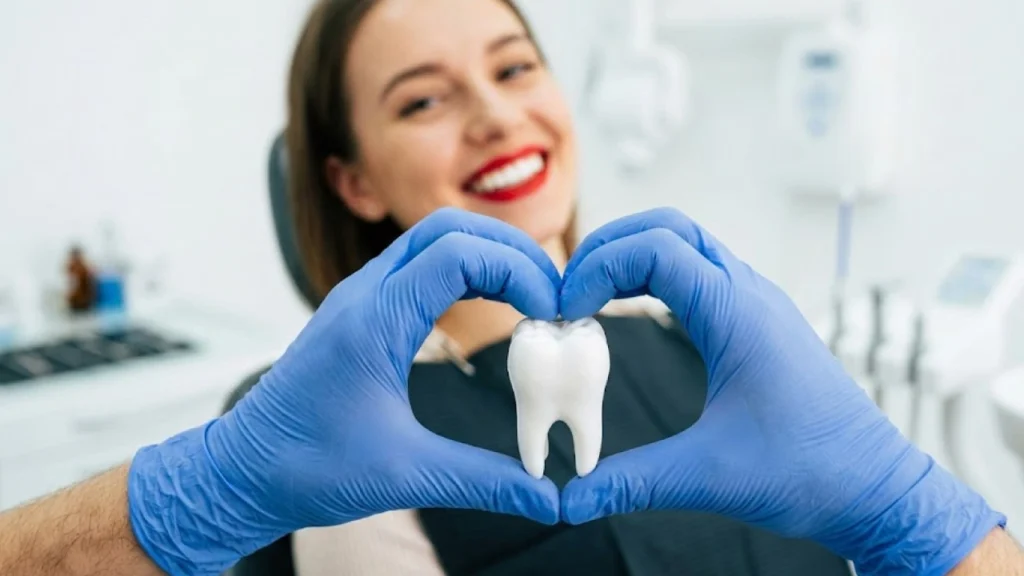
While natural remedies may not replace professional dental care entirely, they can certainly play a powerful role in supporting daily oral health.
Common Natural Remedies for Gum Health
Several natural ingredients have been traditionally used to promote healthier gums and reduce oral bacteria. These remedies are popular because they are simple, accessible, and often inexpensive.
Let’s explore some of the most commonly used options.
Salt Water Rinse
A salt water rinse is one of the oldest and most effective natural remedies for irritated gums. Salt works as a mild antiseptic and helps reduce swelling by drawing excess fluid from inflamed tissues.
Regular salt water rinsing may help:
- Reduce gum inflammation
- Kill harmful bacteria
- Speed up healing of minor gum injuries
- Clean the mouth after meals
To prepare a salt water rinse, simply dissolve half a teaspoon of salt in a glass of warm water and rinse your mouth for about 30 seconds. Mayo Clinic
Clove Oil
Clove oil has long been used in dental care because of its natural antibacterial and pain-relieving properties. The active compound in clove oil, known as eugenol, acts as a natural antiseptic that helps fight infection-causing bacteria.
Clove oil may help relieve:
- Tooth pain
- Gum swelling
- Oral infections
Dentists have even used clove oil derivatives in temporary dental fillings due to their soothing effects.
However, clove oil should always be used in small amounts and diluted before applying it to gum tissue.
Aloe Vera
Aloe vera is well known for its ability to soothe skin burns, but it also has impressive benefits for oral health. Its gel contains compounds that have natural antibacterial and anti-inflammatory properties.
When used as a mouth rinse or applied to gums, aloe vera may help:
- Reduce gum irritation
- Promote tissue healing
- Lower bacterial levels in the mouth
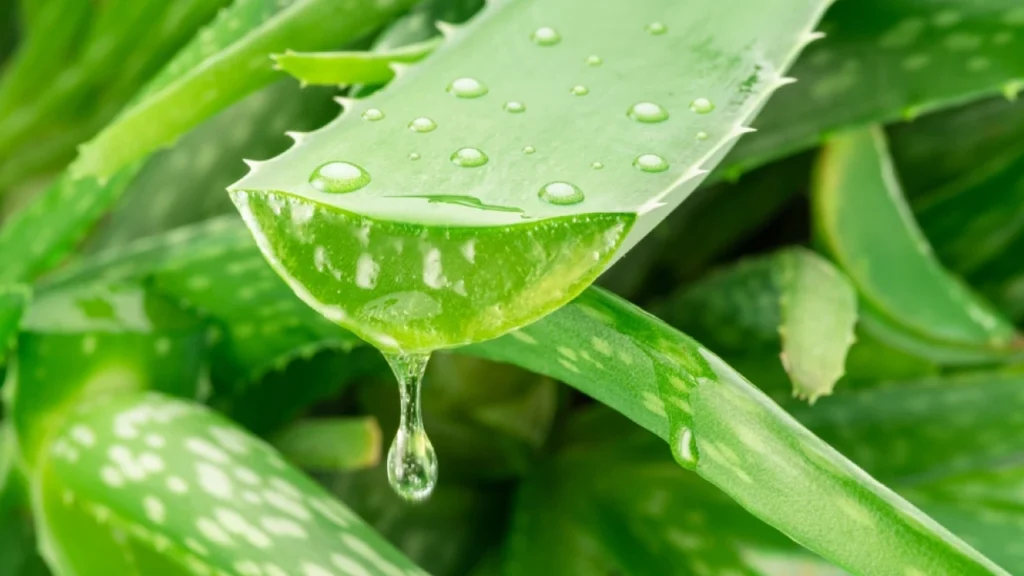
Some natural toothpaste formulas even include aloe vera as an active ingredient for gum care.
Neem
Known as the “toothbrush tree,” Neem has powerful antimicrobial properties. It is widely recognized in Ayurvedic medicine for its ability to reduce plaque buildup and fight oral pathogens.
Neem is known for its ability to:
- Reduce plaque buildup
- Fight harmful oral bacteria
- Strengthen gum tissue
Because of its antimicrobial properties, neem is now frequently used in natural oral care products.
Tea Tree Oil
Tea tree oil is another natural antimicrobial that may help control bacteria responsible for gum disease.
However, it must be used carefully and diluted properly.
The Limitations of Natural Remedies
While natural remedies offer many benefits, it is important to understand their limitations.
Natural treatments are most effective when used as preventive measures or supportive care. They can help reduce bacteria, soothe inflammation, and promote healthier gums when problems are still mild.
However, they cannot remove hardened tartar or treat deep infections below the gum line.
When gum disease becomes advanced, bacteria begin destroying the bone and connective tissues that hold teeth in place. At this stage, professional dental treatment is required to stop the damage.
Ignoring serious symptoms while relying only on home remedies can allow gum disease to worsen over time.
The Role of Dentists in Maintaining Oral Health
Dentists play a critical role in protecting oral health because they are trained to diagnose and treat dental diseases before they become severe. (ADA)
Professional dental care provides several important services that cannot be performed at home.
Professional Dental Examinations
During a dental checkup, dentists examine the teeth, gums, and surrounding tissues to identify early signs of problems such as cavities, gum disease, or infections.
Early detection allows treatment to begin before the condition worsens.
Professional Teeth Cleaning
Even with good brushing habits, plaque can build up in hard-to-reach areas. Over time, plaque hardens into tartar, which cannot be removed with a toothbrush.

Dental hygienists use specialized tools to remove tartar and polish teeth, helping prevent gum disease.
Deep Cleaning Treatments
For patients with gum disease, dentists may recommend scaling and root planing, a deep cleaning procedure that removes bacteria from below the gum line.
This treatment helps reduce gum pockets and prevent further damage.
Natural Remedies vs Dentists: Which One Is Better?
The debate between natural remedies and professional dental care is often misunderstood.
Rather than competing with each other, they serve different roles in oral health. NIDCR
Natural remedies are excellent for:
- Preventive care
- Reducing mild inflammation
- Supporting daily oral hygiene
Dentists are essential for:
- Diagnosing oral diseases
- Removing tartar buildup
- Treating advanced infections
- Performing restorative procedures
Instead of choosing one over the other, the best strategy is to combine both approaches.
The Importance of Preventive Oral Care
Preventive care is the foundation of strong teeth and healthy gums. Most dental problems develop gradually over time due to poor oral hygiene habits. By maintaining a consistent routine, you can dramatically reduce your risk of cavities and gum disease.
Good preventive care includes:
- Brushing twice a day with proper technique
- Flossing daily to remove plaque between teeth
- Using antibacterial mouth rinses
- Limiting sugary foods and drinks
- Visiting the dentist for routine checkups
When preventive habits become part of daily life, the chances of serious dental problems decrease significantly.
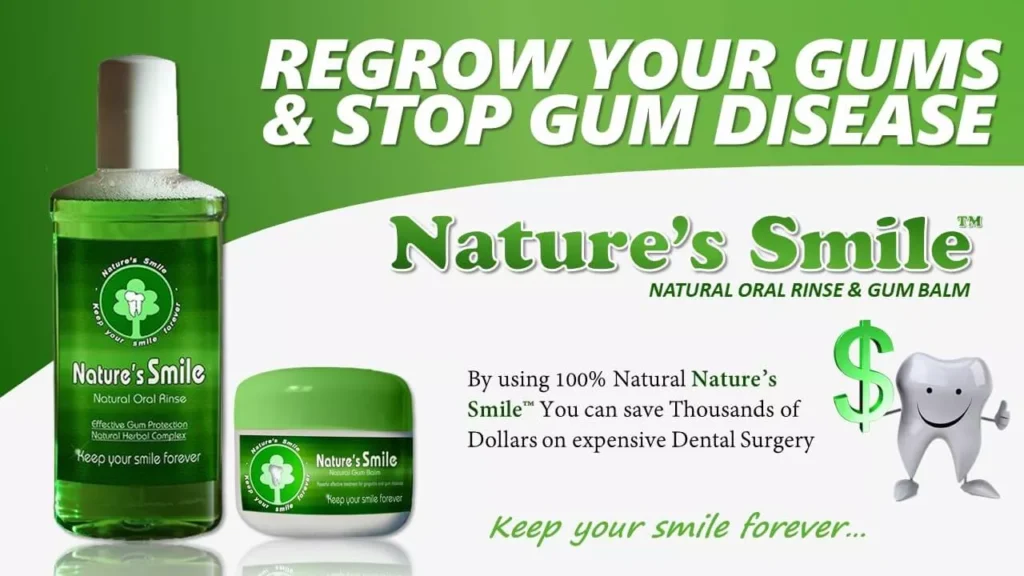
How Nature’s Smile Supports Natural Gum Healing?
One of the most well-known natural solutions designed specifically for gum health is Nature’s Smile.
Unlike basic home remedies, Nature’s Smile is a clinically formulated natural oral care product that combines powerful herbal ingredients known for their antimicrobial and healing properties.
Its formula focuses on addressing the root causes of gum problems.
The Natural Ingredients Behind Nature’s Smile
Nature’s Smile contains several plant-based compounds traditionally used for oral health.
These include:
- Silver Fir: Silver Fir extract is known for its strong antibacterial activity, which helps reduce harmful bacteria around the gum line.

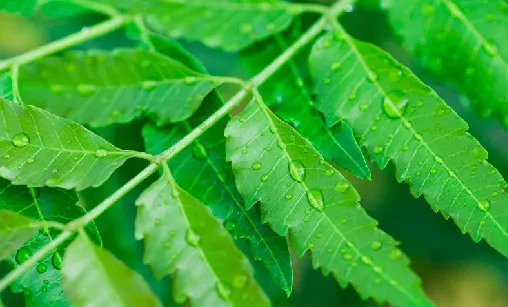
- Neem: Neem helps control plaque buildup and supports the natural healing of gum tissue.
- Yarrow: Yarrow has natural anti-inflammatory properties that may help reduce gum swelling and irritation.

- Chamomile: Chamomile is widely known for its soothing effects and can help calm inflamed gum tissues.

These ingredients work together to create a multi-layered defense against gum disease.
How Nature’s Smile Works on Gum Problems?
Nature’s Smile is designed to reach areas where bacteria often hide.
Unlike ordinary mouthwash, its concentrated herbal formula may help:
- Penetrate periodontal pockets
- Reduce bacterial growth
- Support gum tissue healing
- Improve gum firmness over time
Because gum disease often starts below the gum line, solutions that target these areas can be especially helpful. (AAP)
Regular use may support healthier gums and help reduce common symptoms like bleeding and swelling.
Signs You Should Visit a Dentist Immediately
Although natural remedies can support gum health, certain symptoms should never be ignored.
Seek professional dental care if you experience:
- Persistent bleeding gums
- Severe gum swelling
- Loose teeth
- Pain when chewing
- Receding gums
- Chronic bad breath
These symptoms may indicate advanced gum disease or infection, which requires professional treatment.
Can Natural Remedies Prevent Gum Disease?
Natural remedies can be very effective in supporting gum health and preventing inflammation, especially when combined with proper brushing and flossing.
Herbal ingredients often contain compounds that:
- Fight harmful bacteria
- Reduce inflammation
- Promote tissue repair
However, natural remedies should be viewed as part of a comprehensive oral care strategy, not a replacement for dental expertise.
Building a Balanced Oral Care Routine
Whether you prefer natural remedies or professional dental care, your daily routine plays the biggest role in gum health.

Here’s a simple routine that supports healthy gums.
Brush Properly Twice a Day
Use a soft-bristle toothbrush and brush gently along the gum line.
Floss Daily
Flossing removes plaque between teeth where bacteria often accumulate.
Use Herbal Gum Support
Natural solutions like Nature’s Smile can provide additional antibacterial protection.
Maintain Regular Dental Checkups
Professional cleanings help remove tartar buildup that home care cannot eliminate.
Combining these steps creates a comprehensive defense against gum disease.
The Long-Term Benefits of Combining Both Approaches
People who combine natural oral care practices with regular dental visits often experience the best long-term results.
This balanced approach provides several advantages:
- Stronger gum tissue
- Lower risk of periodontal disease
- Reduced dental costs over time
- Early detection of dental problems
- Improved overall oral hygiene
Instead of relying on a single method, this strategy allows individuals to benefit from both nature and modern dental science.
Are Natural Remedies Better Than Dentists? The Final Verdict
The debate between natural remedies and dentists often creates unnecessary confusion.
The reality is simple:
Both play important roles in maintaining healthy gums.
Natural remedies provide daily support for oral health by helping control bacteria and reduce inflammation. Meanwhile, dentists offer professional treatment when gum disease progresses beyond what home care can handle.
The smartest approach is to combine both methods.
By supporting your gums naturally while also maintaining professional dental care, you create a powerful strategy for long-term oral health.
Products like Nature’s Smile bridge the gap between traditional remedies and modern gum care by providing concentrated herbal support designed specifically for gum health.
Take Action for Healthier Gums Today
Healthy gums are the foundation of a confident smile.
If you’re looking for a natural solution that supports gum healing and helps fight harmful bacteria, Nature’s Smile may be the perfect addition to your oral care routine.
Don’t wait until minor gum irritation becomes a serious dental problem.