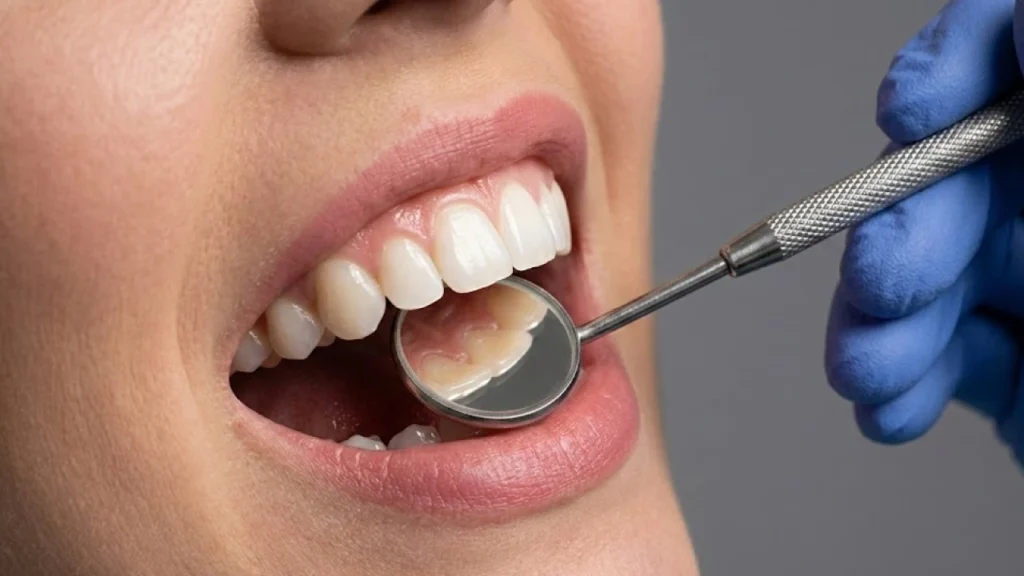
Healthy gums are the foundation of a strong smile. Yet many people focus only on brushing their teeth and forget that gum care is just as important. One simple but powerful habit that often gets overlooked is Massage Gums.
Massaging your gums can stimulate blood flow, reduce inflammation, and help keep the tissues around your teeth strong. When circulation improves, your gums receive more oxygen and nutrients, which supports natural healing and overall oral health.
In this guide, you’ll learn how to massage gums for better circulation, why it works, and the best techniques you can start using today.
Healthy gums play a critical role in maintaining strong teeth and preventing serious oral diseases. According to the American Dental Association, maintaining proper gum care is essential for preventing periodontal disease and supporting overall oral health.
Table of Contents
Why Massage Gums Circulation Matters for Oral Health?
Your gums are living tissue. Like every other part of your body, they rely on healthy blood circulation to function properly.
Good circulation delivers:
- Oxygen to gum tissues
- Nutrients needed for repair
- Immune cells that fight bacteria
When circulation is poor, gums become more vulnerable to:
- Gum inflammation
- Bleeding gums
- Gum recession
- Periodontal disease
Improving blood flow through simple massage techniques can help strengthen your gums and support their natural defense system.
Healthy blood circulation helps gum tissues receive oxygen and nutrients needed for repair. The National Institute of Dental and Craniofacial Research explains that strong gum tissue and proper blood flow are important factors in preventing periodontal disease.
Signs Your Massage Gums May Have Poor Circulation
Many early gum problems begin with reduced blood flow. Recognizing the warning signs early can help you take action before the issue worsens.
Common symptoms include:
- Pale or dark red gums
- Gums that bleed easily
- Swollen gum tissue
- Gum tenderness or soreness
- Slow healing after brushing or flossing
If you notice these symptoms regularly, improving gum circulation through massage and proper oral care can make a noticeable difference.
Bleeding, swelling, and gum tenderness are often early signs of gum disease. The Centers for Disease Control and Prevention notes that gum disease is a common condition that can progress if not treated early.
Benefits of Massaging Your Gums
Gum massage may seem like a small habit, but its impact on oral health can be significant.
Improves Blood Flow
Massaging stimulates the tiny blood vessels in your gums. This increased circulation helps deliver nutrients and oxygen to gum tissue.
Reduces Inflammation
Gentle pressure helps disperse fluid buildup in swollen gums, reducing inflammation and discomfort.
Strengthens Gum Tissue
Healthy circulation supports the repair and strengthening of gum tissue, which can help prevent gum recession.
Helps Remove Bacteria
Massaging the gumline can loosen plaque and bacteria that accumulate along the edges of your teeth.
Supports Overall Oral Health
Combined with brushing and flossing, gum massage can become a powerful addition to your daily dental routine.
Best Time to Massage Your Gums
Timing matters when it comes to gum massage.
The best times include:
- After brushing your teeth: Your mouth is already clean, making it a good moment to stimulate the gums.
- After flossing: Flossing removes debris, and massage helps boost circulation in the cleaned areas.
- Before bedtime: A quick massage before bed supports overnight gum repair.
Even one to two minutes per day can make a difference.
How to Massage Gums with Your Fingers
Using your fingers is one of the simplest ways to massage gums.
- Step 1: Wash Your Hands: Always wash your hands thoroughly before touching your gums to avoid introducing bacteria.
- Step 2: Use Gentle Pressure: Place your fingertip on your gumline and move it in small circular motions.
- Step 3: Work Along the Gumline: Move slowly along the gums above and below each tooth.
- Step 4: Focus on Sensitive Areas: If certain areas feel swollen or sore, spend extra time massaging them gently.
Massage for about one minute for best results.
How to Massage Gums with a Toothbrush?
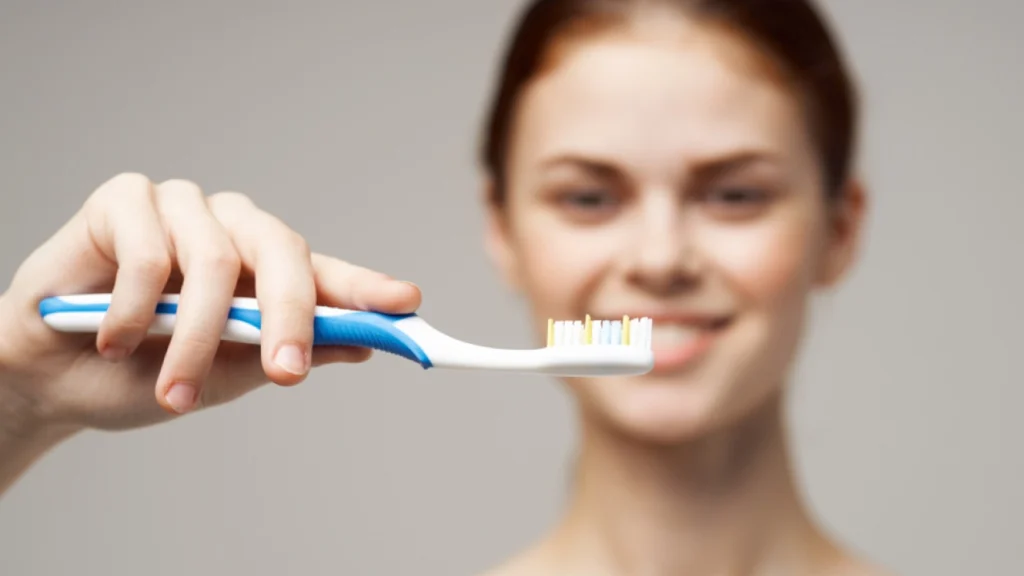
A soft toothbrush can also stimulate gum circulation effectively.
Choose a Soft-Bristled Brush
Hard bristles can irritate or damage delicate gum tissue.
Use Small Circular Motions
Hold the brush at a 45-degree angle to the gumline and gently massage the gums.
Avoid Scrubbing
The goal is stimulation, not aggressive cleaning. A soft brushing technique can double as a daily gum massage routine.
Using Oils to Enhance Gum Massage
Certain natural oils may enhance the benefits of gum massage.
Coconut Oil
Coconut oil contains natural antibacterial compounds that help reduce harmful oral bacteria.
Clove Oil
Clove oil has been traditionally used to support oral health and reduce gum discomfort.
Tea Tree Oil
Tea tree oil has antimicrobial properties that may help control bacteria in the mouth.
Always dilute essential oils and use only a very small amount when applying them to your gums.
Oil Pulling and Gum Circulation
Oil pulling is another technique that may improve gum health. It involves swishing oil in your mouth for 10–15 minutes.
This process may help:
- Reduce harmful bacteria
- Support gum health
- Improve oral hygiene
While oil pulling isn’t a replacement for brushing and flossing, it can complement a gum massage routine.
Best Nutrients for Healthy Gum Circulation
Gum health is influenced not only by oral care but also by nutrition.
Vitamin C
Vitamin C plays a crucial role in gum tissue repair and collagen production. Vitamin C plays a major role in collagen production and gum tissue repair. According to the National Institutes of Health, adequate vitamin C intake supports immune health and connective tissue maintenance.
Foods rich in vitamin C include:
- Oranges
- Strawberries
- Bell peppers
- Broccoli
Vitamin D
Vitamin D helps the body absorb calcium and supports immune health.
Omega-3 Fatty Acids
Omega-3s help reduce inflammation in gum tissues.

These nutrients support the overall health and resilience of your gums.
Lifestyle Habits That Affect Gum Circulation
Several daily habits can influence blood flow in your gums.
Smoking
Smoking significantly reduces blood circulation and increases the risk of gum disease.
Smoking significantly reduces blood circulation and weakens the immune response in gum tissue. Research from the Centers for Disease Control and Prevention shows that smokers have a much higher risk of developing gum disease.
Poor Oral Hygiene
Plaque buildup blocks healthy gum tissue and encourages inflammation.
High Sugar Diet
Excess sugar feeds harmful bacteria that attack the gums.
Improving these habits can greatly enhance the benefits of gum massage.
How Often Should You Massage Your Gums?
Consistency is more important than intensity.
Dental professionals often suggest:
- Once or twice per day
- About 1–2 minutes per session
Daily stimulation helps maintain healthy circulation and supports long-term gum strength.
When to Be Careful with Gum Massage
Although gum massage is beneficial, it should always be done gently.
Avoid massage if you experience:
- Severe gum pain
- Active infections
- Recent oral surgery
If your gums bleed excessively or remain swollen for several weeks, it’s best to consult a dental professional.
Additional Oral Hygiene Habits for Healthy Gums
Gum massage works best when combined with proper oral hygiene.
Brush Twice Daily
Use a fluoride toothpaste and brush for at least two minutes.
Floss Daily
Flossing removes plaque between teeth where brushing cannot reach.

Use Antibacterial Mouthwash
Mouthwash can help reduce harmful bacteria and freshen breath.
Schedule Dental Checkups
Regular dental visits help detect gum problems early.
Together, these habits create a strong foundation for gum health.
Regular dental visits help detect gum disease early and prevent complications. The American Academy of Periodontology recommends routine dental examinations to maintain healthy gums.
Common Mistakes When Massaging Gums
Avoid these common errors to protect your gums.
Applying Too Much Pressure
Aggressive massage can damage delicate gum tissue.
Using Hard Toothbrushes
Hard bristles may cause irritation and gum recession.
Skipping Consistency
Occasional massage won’t provide the same benefits as daily stimulation.
Gentle and consistent care is the key to healthier gums.
Final Thoughts
Learning how to massage gums for better circulation is a simple step that can greatly support your oral health. By stimulating blood flow, gum massage helps deliver oxygen and nutrients to gum tissue, strengthens the gums around your teeth, and supports natural healing. When combined with brushing, flossing, and a healthy diet, this small daily habit can play a meaningful role in maintaining strong, resilient gums.
Healthy gums are the foundation of a healthy smile—and sometimes the simplest habits make the biggest difference.
Restore Your Gum Health the Natural Way—Try Nature’s Smile from the Official Site!