Think of plaque like dust hiding between the floorboards of a house. Brushing cleans the surface, but the debris hiding in the gaps requires a more precise tool. That’s where flossing comes in.
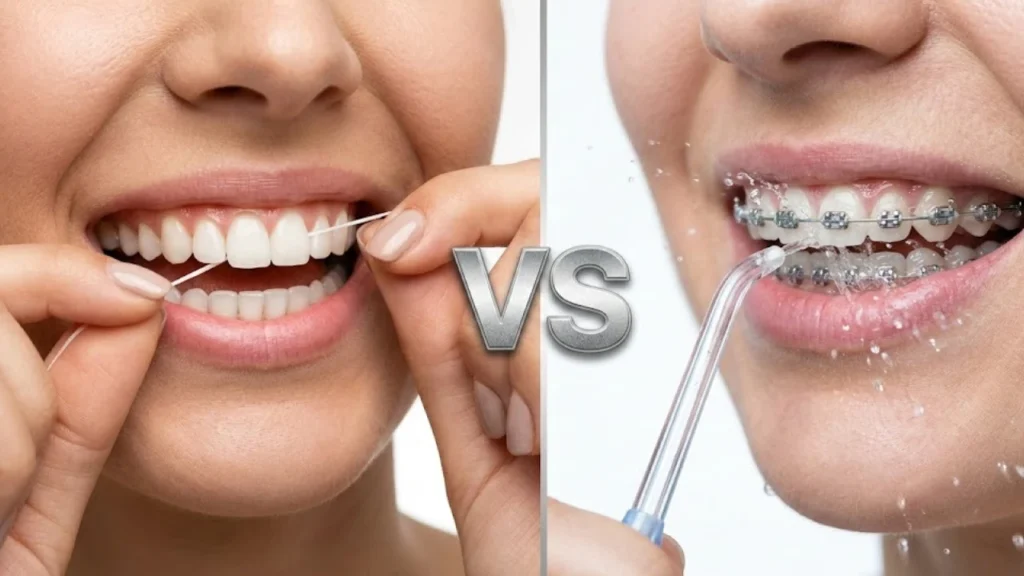
For people struggling with gum disease, the debate often comes down to two tools: water flossers and traditional string floss. Both are designed to clean between teeth and along the gumline—but they work in very different ways.
In this guide, we’ll compare water flosser vs string floss for gum disease, explore their pros and cons, and help you determine which method best protects your gums.
Table of Contents
Understanding Gum Disease
Before comparing flossing tools, it’s important to understand what gum disease actually is.
Gum disease, also known as periodontal disease, occurs when bacteria build up around the gums and cause inflammation.

It usually progresses in two stages:
Gingivitis
This is the early stage of gum disease.
Common symptoms include:
- Red or swollen gums
- Bleeding while brushing or flossing
- Persistent bad breath
At this stage, gum disease is reversible with proper oral care.
Periodontitis
If untreated, gingivitis can progress into periodontitis.
This stage may cause:
- Gum recession
- Deep gum pockets
- Bone loss around teeth
- Loose teeth
Removing plaque from between teeth and beneath the gumline is essential to prevent this progression.
Why Flossing Is Essential for Gum Disease?
A toothbrush can only clean about 60% of the tooth surface.
The remaining 40%—the tight spaces between teeth—are where plaque and bacteria thrive.
According to the American Dental Association, daily flossing is essential because toothbrush bristles cannot effectively reach the areas between teeth where plaque commonly builds up.
Without flossing, bacteria accumulate and form tartar, which irritates the gums and worsens gum disease.
Regular flossing helps:
- Remove plaque buildup
- Reduce gum inflammation
- Prevent periodontal pockets
- Improve overall gum health
But the question remains: should you use string floss or a water flosser?
What Is String Floss?
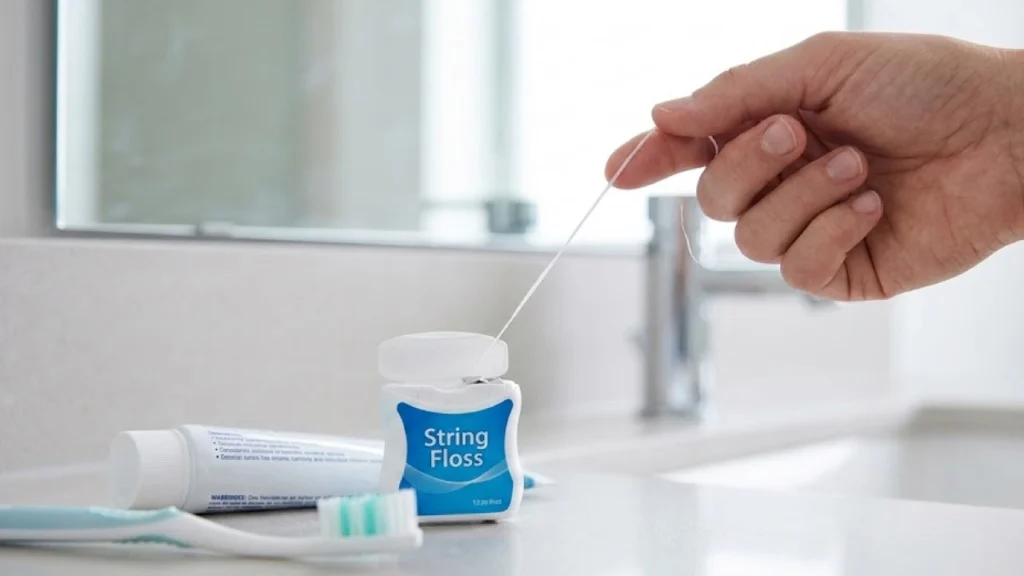
String floss is the traditional flossing method used for decades.
It involves a thin strand of floss that slides between teeth to scrape away plaque and food particles.
Types of string floss include:
- Waxed floss
- Unwaxed floss
- Dental tape
- PTFE floss (glides easily)
When used properly, string floss can physically remove plaque from tooth surfaces.
What Is a Water Flosser?
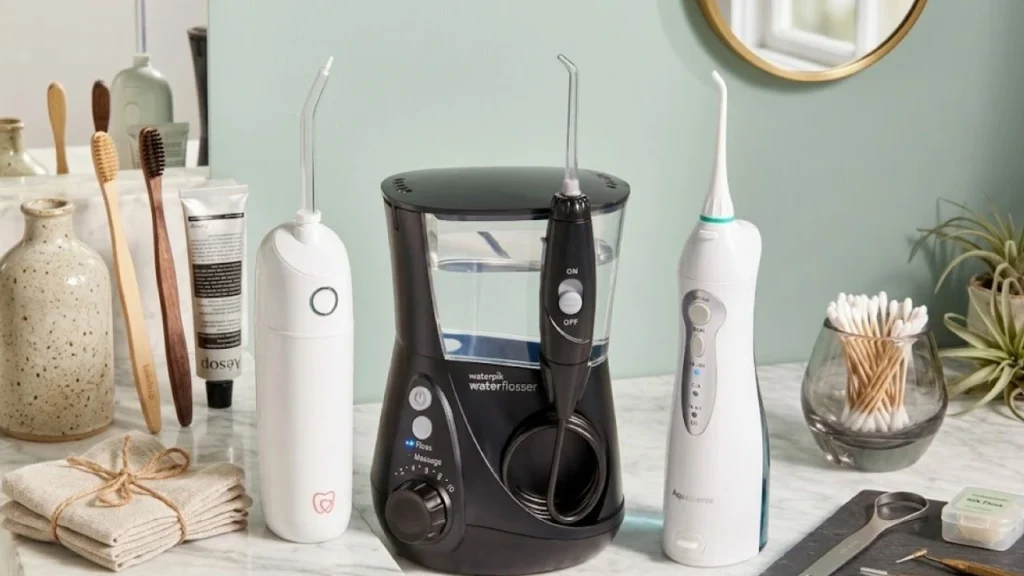
A water flosser, also called an oral irrigator, uses a pressurized stream of water to flush debris and bacteria from between teeth and below the gumline.
The device typically includes:
- A water reservoir
- Adjustable pressure settings
- Specialized tips for different needs
The pulsing water stream helps remove plaque and bacteria in areas that traditional floss may struggle to reach.
Water Flosser vs String Floss for Gum Disease: Key Differences
Both tools aim to improve gum health, but their approach differs.
Cleaning Method
String Floss
- Scrapes plaque directly from tooth surfaces
- Requires manual movement between teeth
Water Flosser
- Uses pulsating water pressure
- Flushes bacteria from gum pockets
Both methods are effective but serve slightly different purposes.
Ease of Use
String floss requires proper technique and dexterity.
Many people struggle with:
- Reaching back teeth
- Flossing around dental work
- Maintaining consistent habits
Water flossers are often easier to use. You simply guide the water stream along the gumline and between teeth. This convenience can lead to better long-term consistency.
Effectiveness for Gum Disease
Several dental studies suggest water flossers can significantly improve gum health.
Clinical research discussed by the American Academy of Periodontology indicates that oral irrigators (water flossers) may help reduce gum bleeding and inflammation when used regularly alongside brushing.
Water flossers may help:
- Reduce bleeding gums
- Decrease inflammation
- Clean deeper gum pockets
However, string floss remains excellent at removing sticky plaque directly from tooth surfaces.
Dentists often recommend combining both methods for optimal results.
Benefits of Water Flossers for Gum Disease
Water flossers have become increasingly popular for people dealing with gum issues.

Reaches Deep Gum Pockets
Gum disease often creates periodontal pockets, where bacteria hide below the gumline. Water flossers can reach deeper into these pockets than traditional floss.
Gentle on Sensitive Gums
People with inflamed gums may find string floss painful. Water flossers provide a softer cleaning experience, making them ideal for sensitive gums.
Easier for Dental Work
Water flossers are particularly useful for people with:
- Braces
- Dental implants
- Bridges
- Crowns
The water stream cleans around these structures more easily than string floss.
Benefits of String Floss for Gum Disease
Despite the popularity of water flossers, string floss still has important advantages.
Physically Scrapes Plaque
String floss removes plaque by directly scraping tooth surfaces. This mechanical action helps prevent plaque from hardening into tartar.
Portable and Affordable
String floss is inexpensive and easy to carry. It does not require electricity, batteries, or water reservoirs.
Excellent for Tight Contacts
Some teeth have extremely tight spacing. In these cases, string floss may clean better than water pressure alone.
When a Water Flosser Is the Better Choice?
A water flosser may be the best option if you:
- Have moderate gum disease
- Experience bleeding while flossing
- Wear braces or orthodontic appliances
- Have dental implants or bridges
- Struggle with traditional flossing technique
Many dentists recommend water flossers for patients with deep gum pockets.
When String Floss Is the Better Choice?
String floss may be ideal if you:
- Have tightly spaced teeth
- Want precise plaque removal
- Prefer a simple, portable solution
- Have healthy gums and want preventive care
For many people, string floss remains a reliable daily oral hygiene tool.
Can You Use Both Together?
Absolutely—and many dental professionals recommend it. Think of it like cleaning a kitchen floor.
First, you sweep to remove debris. Then you mop to wash away remaining residue.
In the same way:
- String floss removes plaque stuck to teeth
- Water flossers flush out bacteria and food particles
Using both can provide the most thorough cleaning possible.
How to Use a Water Flosser Properly?
If you choose a water flosser, follow these steps.
Step 1: Fill the Reservoir
Use warm water for comfort.
Some people add antibacterial mouthwash for additional benefits.
Step 2: Start with Low Pressure
Begin with the lowest pressure setting, especially if your gums are sensitive.
Step 3: Aim at the Gumline
Point the tip at a 90-degree angle to the gumline.
Step 4: Move Slowly
Pause briefly between each tooth to allow the water stream to clean thoroughly.
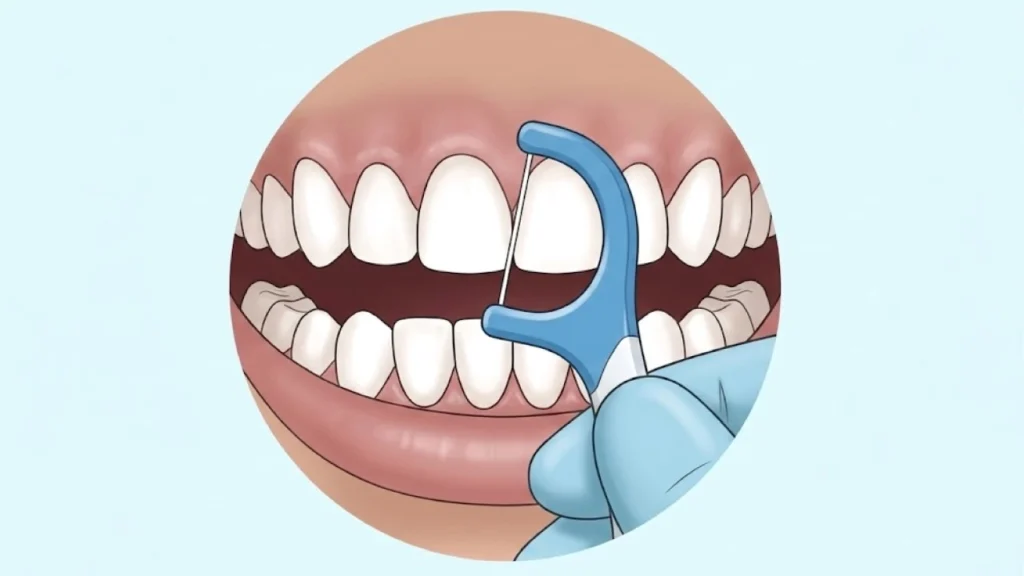
How to Floss Correctly with String Floss?
Proper technique makes a huge difference.
Step 1: Use Enough Floss
Cut about 18 inches of floss.
Step 2: Wrap Around Fingers
Leave a small section for cleaning.
Step 3: Slide Gently Between Teeth
Avoid snapping the floss into your gums.
Step 4: Form a C-Shape
Wrap the floss around the tooth and move it up and down to remove plaque.
Additional Tips for Preventing Gum Disease
Flossing alone cannot prevent gum disease. It should be part of a complete oral care routine.
Brush Twice Daily
Use a soft-bristled toothbrush and brush for two minutes.
Use Antibacterial Mouthwash
Mouthwash helps reduce harmful bacteria that contribute to gum infections. The Centers for Disease Control and Prevention emphasizes that consistent daily oral hygiene habits, including brushing and flossing, are essential for preventing periodontal disease.
Maintain Regular Dental Visits
Professional cleanings remove hardened tartar that floss cannot.
Eat a Gum-Friendly Diet
Foods rich in vitamins C and D support gum health.
Signs Your Gum Disease Is Improving
If your oral care routine is working, you may notice:
- Less bleeding during brushing or flossing
- Reduced gum swelling
- Fresher breath
- Healthier pink gums
Consistency is key—improvements usually take several weeks.
Final Thoughts
When comparing water flosser vs string floss for gum disease, the truth is that both tools can be highly effective.
String floss excels at removing plaque directly from tooth surfaces, while water flossers are excellent at flushing bacteria from gum pockets and hard-to-reach areas.
For people with gum disease, many dentists recommend using both methods together for the best results.
The most important factor isn’t which tool you choose—it’s consistency. Flossing daily, brushing properly, and maintaining good oral hygiene habits can dramatically improve gum health.
Your gums are the foundation of your smile. With the right tools and routine, you can protect that foundation and keep your teeth strong for years to come.