Receding gums are like the foundation of a house slowly eroding—once the base weakens, everything above it becomes vulnerable. Many people focus on toothpaste or mouthwash, but one of the most important tools for protecting your gums is often overlooked: your toothbrush.
If you’re dealing with gum recession, sensitivity, or bleeding gums, choosing the best toothbrush for receding gums can make a significant difference in protecting your gum line and preventing further damage.
This guide explains everything you need to know—from the best bristle types to proper brushing techniques—so you can protect your gums and maintain a healthier smile.
Table of Contents
What Are Receding Gums?
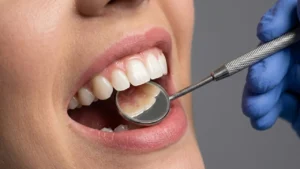
Gum recession happens when the gum tissue surrounding the teeth gradually pulls away, exposing more of the tooth or even the root.
According to the Mayo Clinic, receding gums expose the tooth roots, which can increase tooth sensitivity and raise the risk of cavities near the gum line if not treated early.
This condition can cause:
- Tooth sensitivity
- Bleeding gums
- Longer-looking teeth
- Increased risk of cavities near the gum line
- Bad breath and gum inflammation

Over time, untreated gum recession can lead to periodontal disease and tooth loss.
Common Causes of Gum Recession
Understanding the cause helps you prevent further damage.
- Aggressive Brushing: Brushing too hard with a stiff toothbrush is one of the most common causes of gum recession. Think of it like scrubbing delicate fabric with a wire brush—eventually, the material breaks down.
- Gum Disease: Bacterial infections can destroy gum tissue and supporting bone, leading to gum recession.
- Poor Oral Hygiene: Plaque buildup along the gum line causes inflammation and gum damage.
- Teeth Grinding: Grinding puts excessive pressure on teeth and gums.
- Genetics: Some people naturally have thinner gum tissue, making them more prone to recession.
Why Your Toothbrush Matters for Receding Gums
Your toothbrush is the first line of defense against gum damage.
Using the wrong brush can:
- Worsen gum recession
- Irritate sensitive gums
- Damage enamel
- Cause gum bleeding
But the right toothbrush can:
- Clean gently along the gum line
- Remove plaque effectively
- Protect exposed tooth roots
- Reduce inflammation
Choosing wisely is essential for gum health.
Best Toothbrush Bristle Type for Receding Gums
When dealing with gum recession, bristle softness matters more than anything else.
Soft Bristles (Best Choice)
Dentists overwhelmingly recommend soft-bristled toothbrushes.
According to the American Dental Association, soft-bristled toothbrushes are the safest option for most people because they effectively remove plaque while minimizing damage to enamel and gum tissue.
Benefits include:
- Gentle cleaning around sensitive gums
- Reduced risk of gum abrasion
- Effective plaque removal without damage
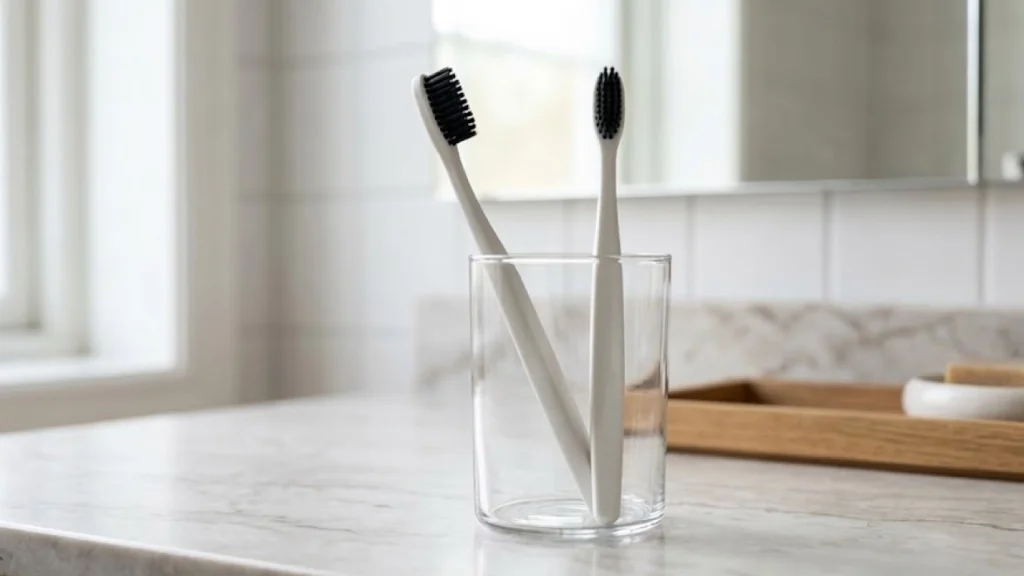
Soft bristles bend slightly, allowing them to clean along the gum line without scraping tissue.
Ultra-Soft Bristles
For people with severe gum recession or bleeding gums, ultra-soft brushes are ideal.
They are designed specifically for:
- Sensitive teeth
- Post-dental surgery
- Advanced gum disease
Medium or Hard Bristles (Avoid)
Hard bristles may feel like they clean better, but they often cause:
- Gum irritation
- Enamel wear
- Increased recession
For receding gums, hard brushes are never recommended.
Manual vs Electric Toothbrush for Receding Gums
Both manual and electric toothbrushes can work well, but each has unique benefits.
Manual Toothbrush
A high-quality manual brush works well if used correctly.
Advantages:
- Affordable
- Easy to control pressure
- Widely available
However, many people accidentally brush too aggressively, which can harm gums.
Electric Toothbrush
Electric toothbrushes are often better for gum health.
Benefits include:
- Consistent brushing motion
- Built-in pressure sensors
- Timers to ensure proper brushing duration
- More effective plaque removal
Many dental professionals recommend electric toothbrushes for people with gum recession or gum disease.

Features to Look for in the Best Toothbrush for Receding Gums
Not all toothbrushes are created equal. Here are key features to consider.
Small Brush Head
A smaller head allows better access to:
- Back teeth
- Tight gum lines
- Hard-to-reach areas
This ensures thorough cleaning without excessive pressure.
Tapered Bristles
Tapered bristles are thinner at the tip, allowing them to clean gently under the gum line.
They help:
- Remove plaque from pockets
- Reduce gum irritation
- Improve gum health
Ergonomic Handle
A comfortable handle improves control and reduces the chance of aggressive brushing.
Look for:
- Non-slip grip
- Flexible neck design
Pressure Sensors (Electric Brushes)
Some electric brushes include pressure sensors that alert you when brushing too hard.
This feature is extremely helpful for people with receding gums.
Best Brushing Technique for Receding Gums
Even the best toothbrush won’t help if you use the wrong technique.
Here is the dentist-recommended method.
Step 1: Hold the Brush at 45 Degrees
Angle the toothbrush toward the gum line.
This allows bristles to clean:
- Between teeth
- Under the gums
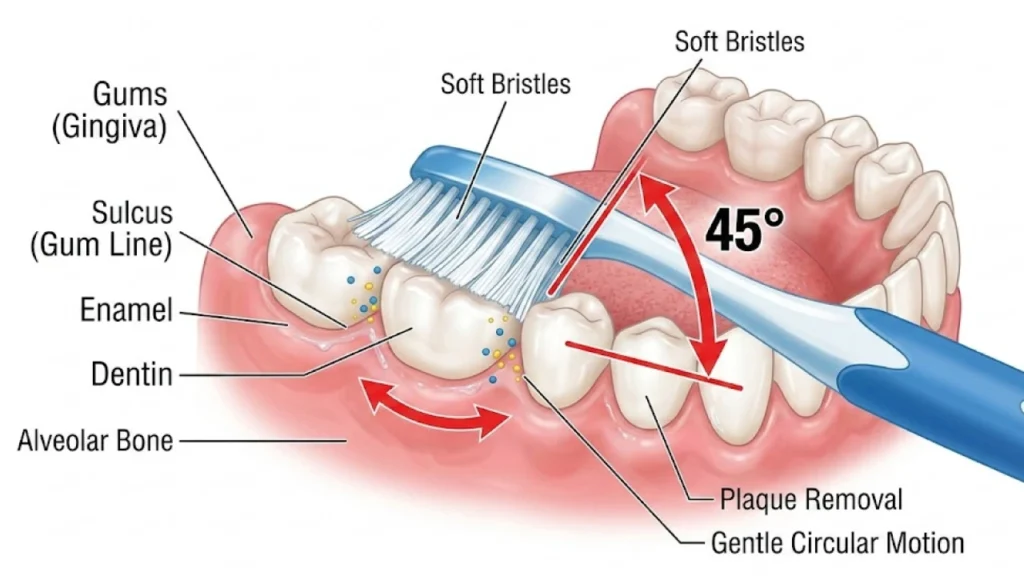
Step 2: Use Gentle Circular Motions
Avoid harsh scrubbing.
Instead, use small circular movements that massage the gums.
Step 3: Brush for Two Minutes
Divide your mouth into four sections and spend 30 seconds per quadrant.
Step 4: Don’t Forget the Gum Line
Plaque builds up most easily near the gums, so this area deserves special attention.
Toothbrush Mistakes That Make Gum Recession Worse
Many people unknowingly worsen gum problems through daily habits.
- Brushing Too Hard: Hard brushing does not clean better—it simply damages gums.
- Using the Wrong Brush: Medium and hard bristles are a major contributor to gum recession.
Not Replacing Toothbrushes
Old brushes develop:
- Frayed bristles
- Bacteria buildup
Replace your toothbrush every 3 months.
Skipping Flossing
Toothbrushes cannot reach between teeth where plaque accumulates.

Additional Oral Care Tips for Receding Gums
A toothbrush alone is not enough to maintain healthy gums.
Combine proper brushing with these habits.
Use Gentle Toothpaste
Choose toothpaste designed for sensitive teeth or gum care.
Floss Daily
Flossing removes plaque from tight spaces that brushing misses.
The National Institute of Dental and Craniofacial Research explains that daily brushing and flossing are essential for preventing gum disease and protecting gum tissue from further damage.
Rinse with Antibacterial Mouthwash
Mouthwash helps reduce bacteria that cause gum disease.
Stay Hydrated
Saliva protects teeth and gums by washing away bacteria.
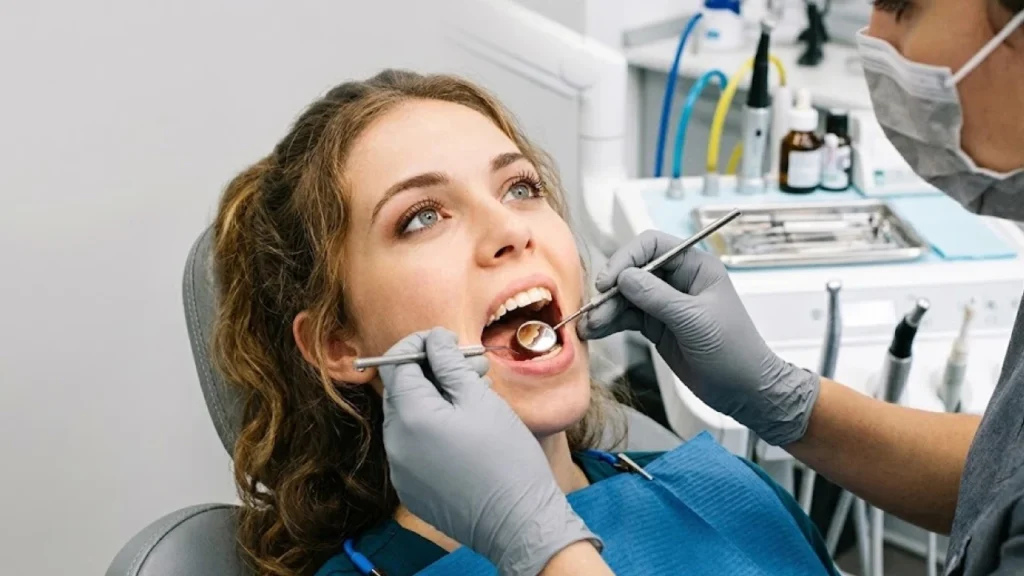
When to See a Dentist
While proper brushing can slow gum recession, some cases require professional treatment.
Consult a dentist if you notice:
- Severe tooth sensitivity
- Persistent bleeding gums
- Loose teeth
- Deep gum pockets
- Visible tooth roots
Early treatment can prevent permanent damage.
Can Gum Recession Be Reversed?
Yes, gum tissue can naturally grow back once it recedes. Along with Nature’s Smile gum paste receded gums can be reversed to its normal state.
However, with Nature’s Smile and proper care can:
- Stop further recession
- Reduce inflammation
- Strengthen gum tissue
In advanced cases, dentists may recommend procedures such as gum grafting.
But prevention remains the best strategy.
Final Thoughts
Choosing the best toothbrush for receding gums is one of the simplest yet most powerful ways to protect your oral health.
Remember these key principles:
- Always choose soft or ultra-soft bristles
- Avoid aggressive brushing
- Consider electric toothbrushes with pressure sensors
- Replace brushes regularly
- Follow gentle brushing techniques
Think of your toothbrush as a precision tool rather than a scrubbing brush. When used correctly, it protects your gums, preserves your teeth, and keeps your smile strong for years to come.By combining the right toothbrush with good oral hygiene habits, you can slow gum recession, reduce sensitivity, and maintain healthier gums naturally.